1487 products shown
- NOOS programRecycled Polyester
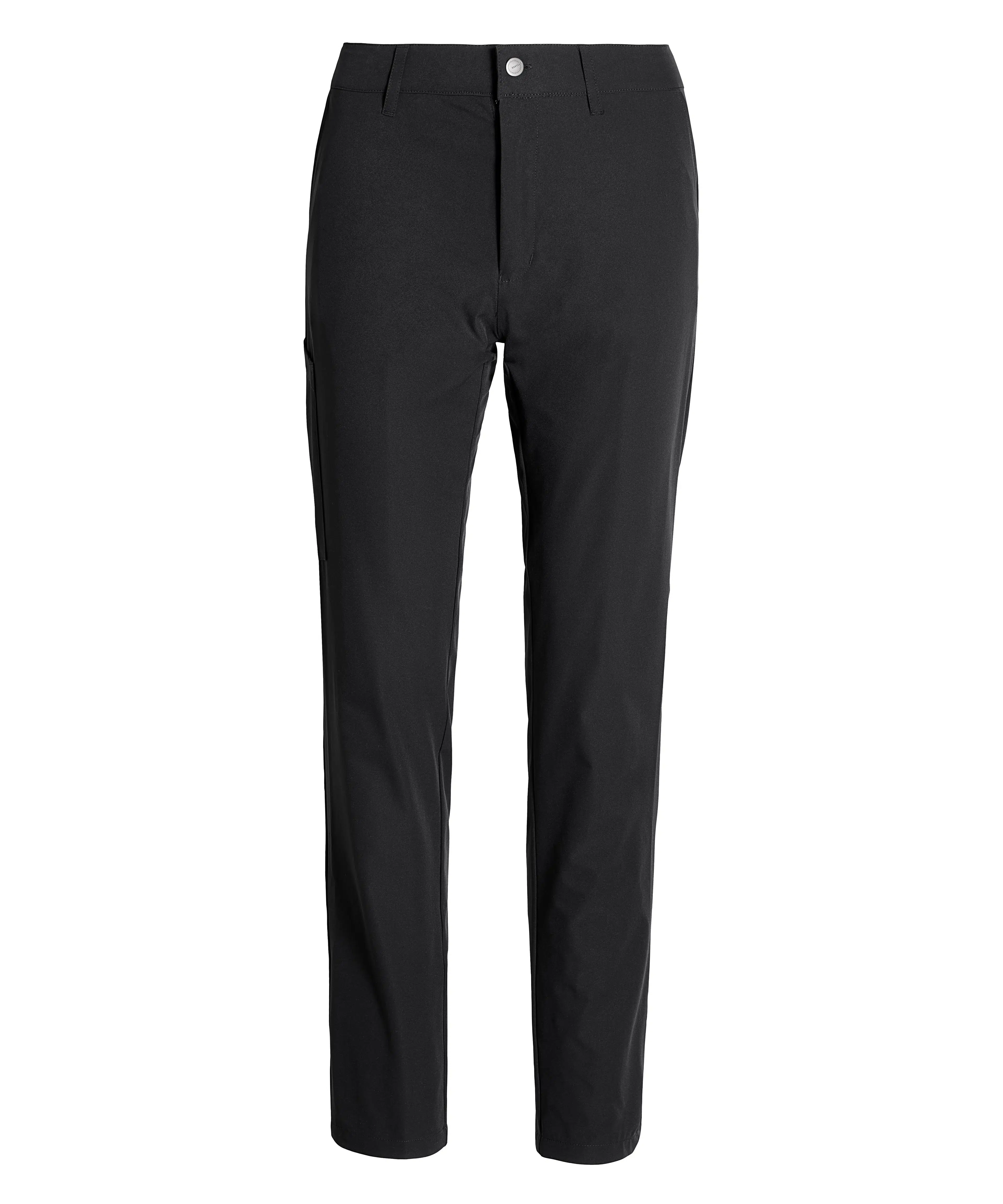
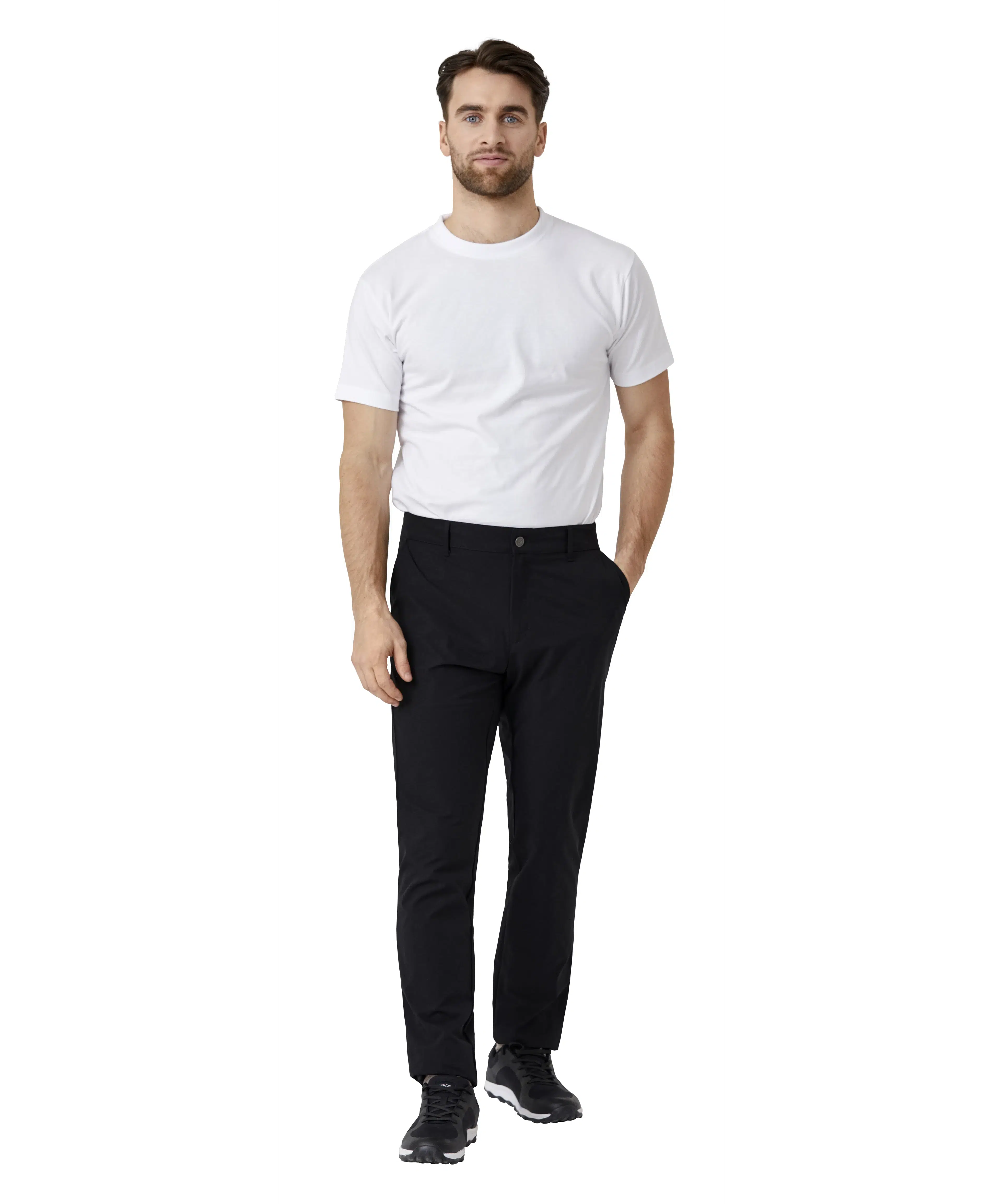
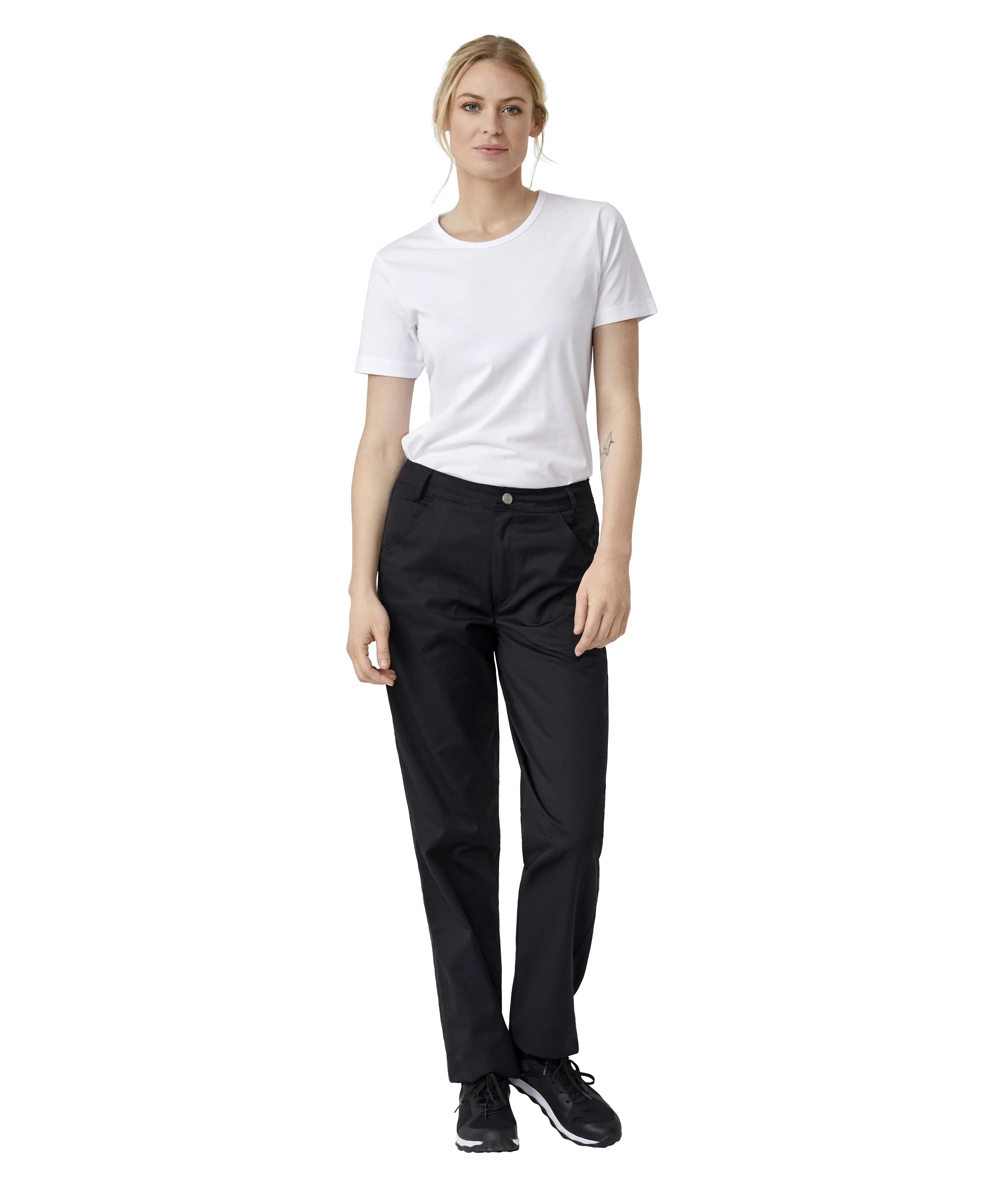
Active unisex flex pants
16319-79-0-0-700
FromEUR 73.37Excl. VAT - NOOS program
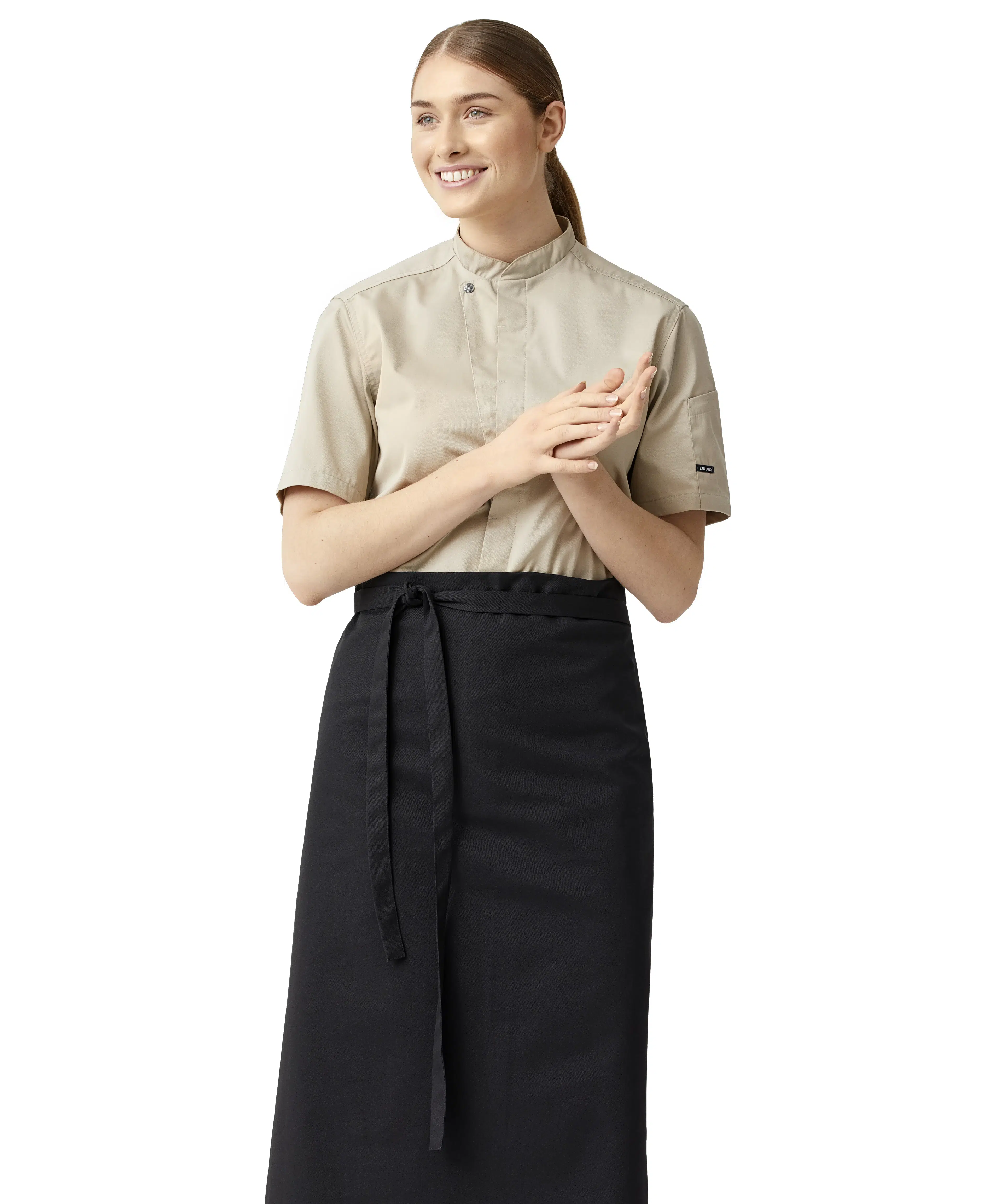
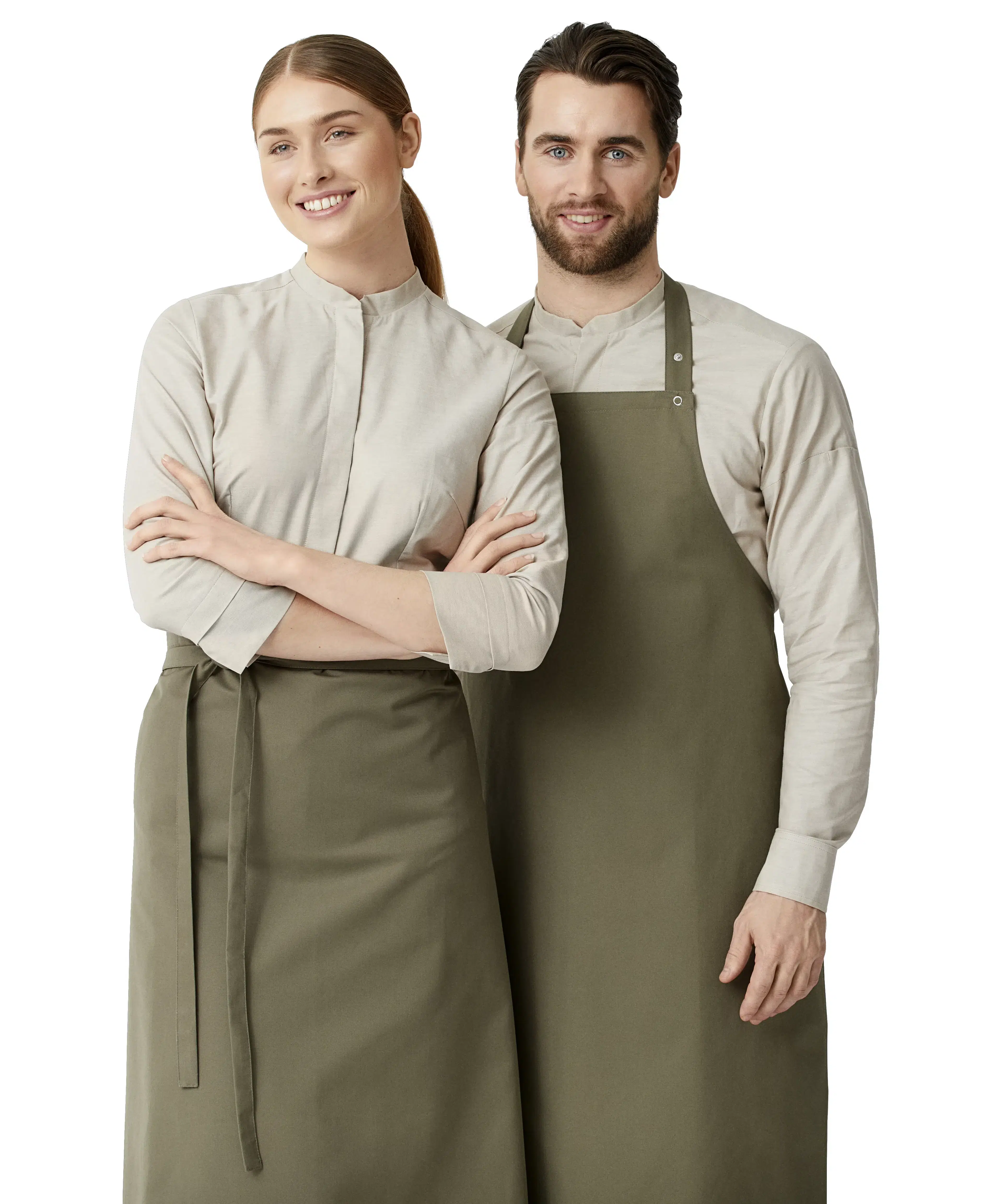
Bib apron
30330-2-0-0-700
FromEUR 17.56Excl. VAT - Recycled Polyester
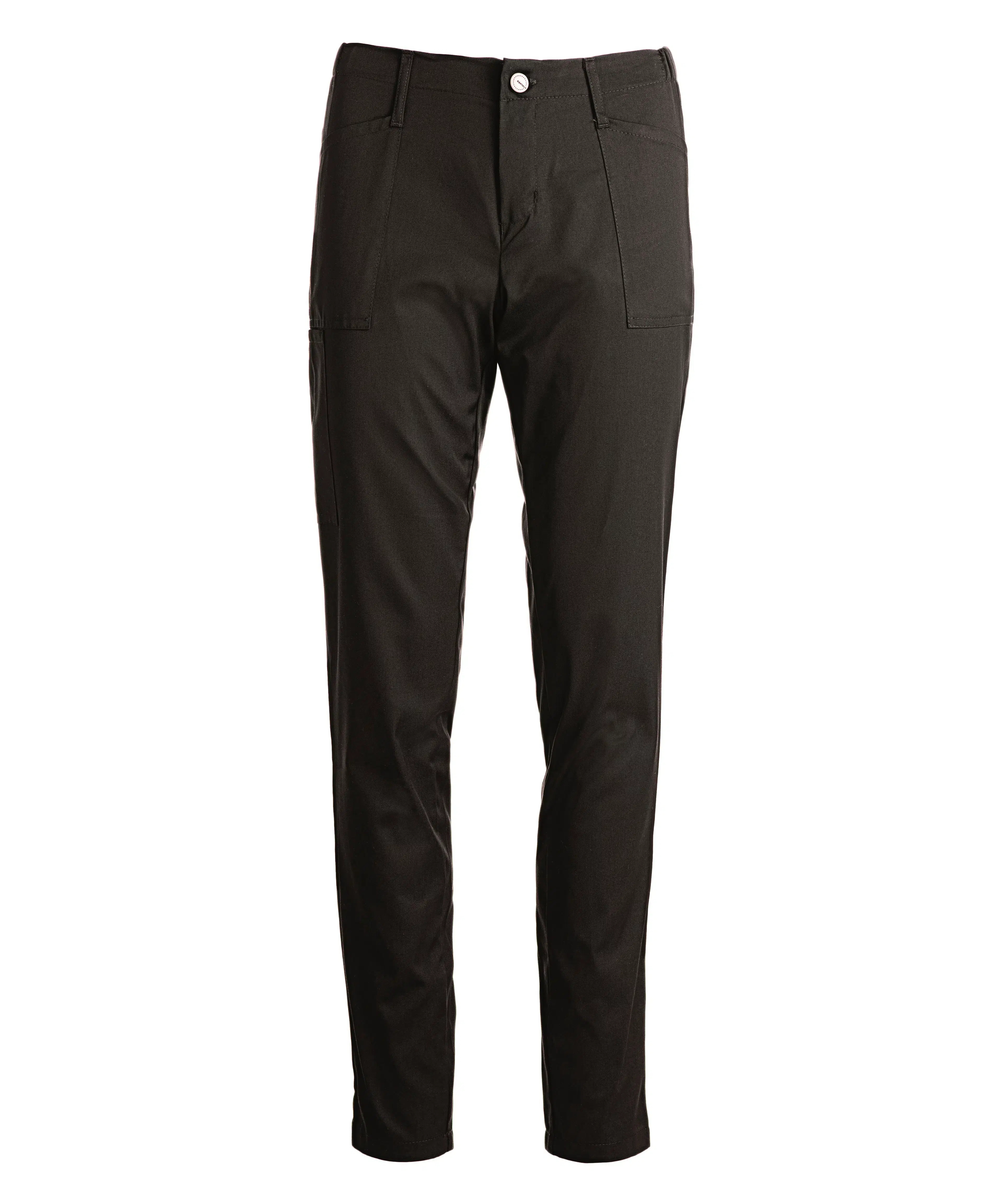
Active unisex pants
16719-79-0-0-700
FromEUR 65.91Excl. VAT - Recycled Polyester
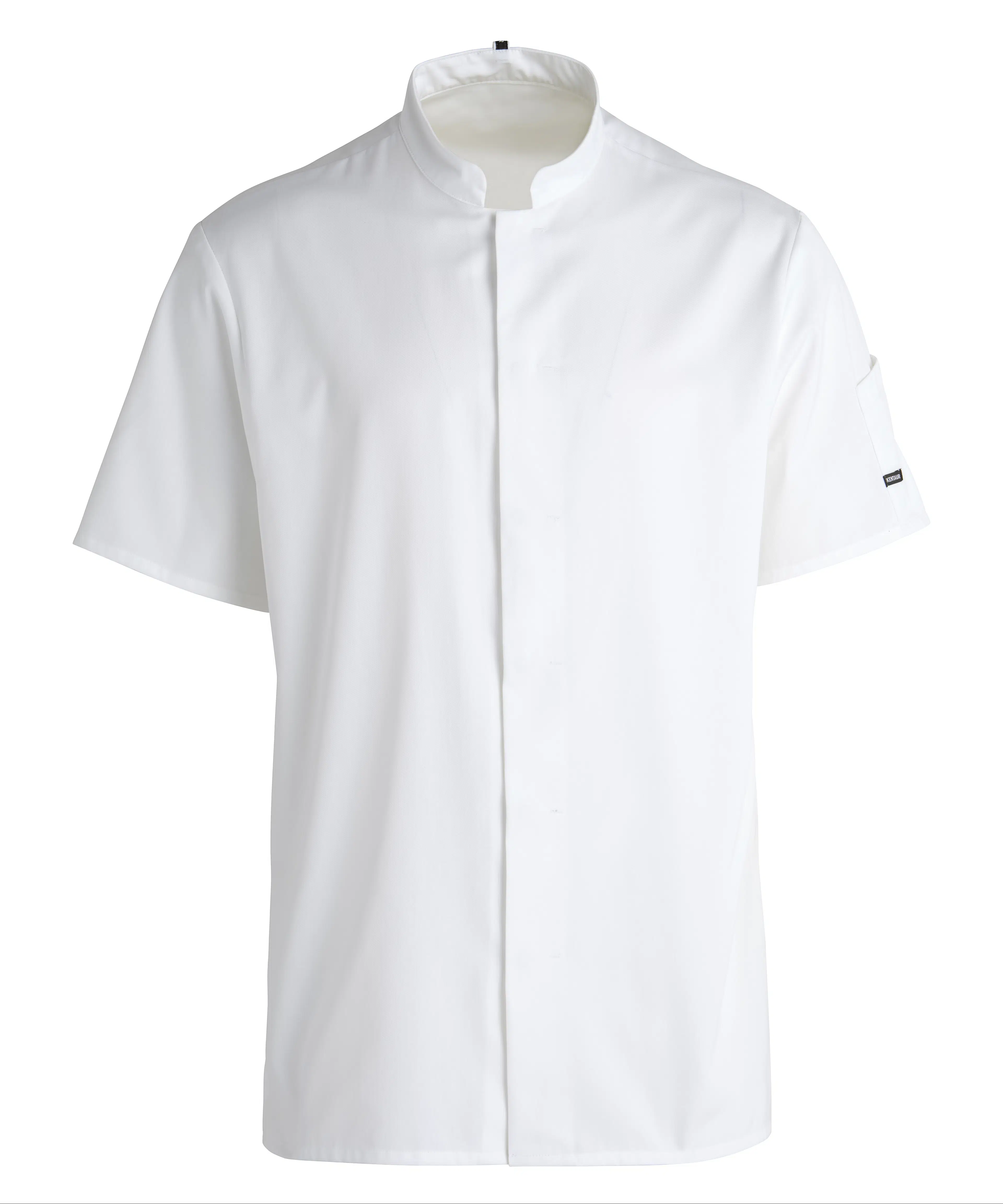
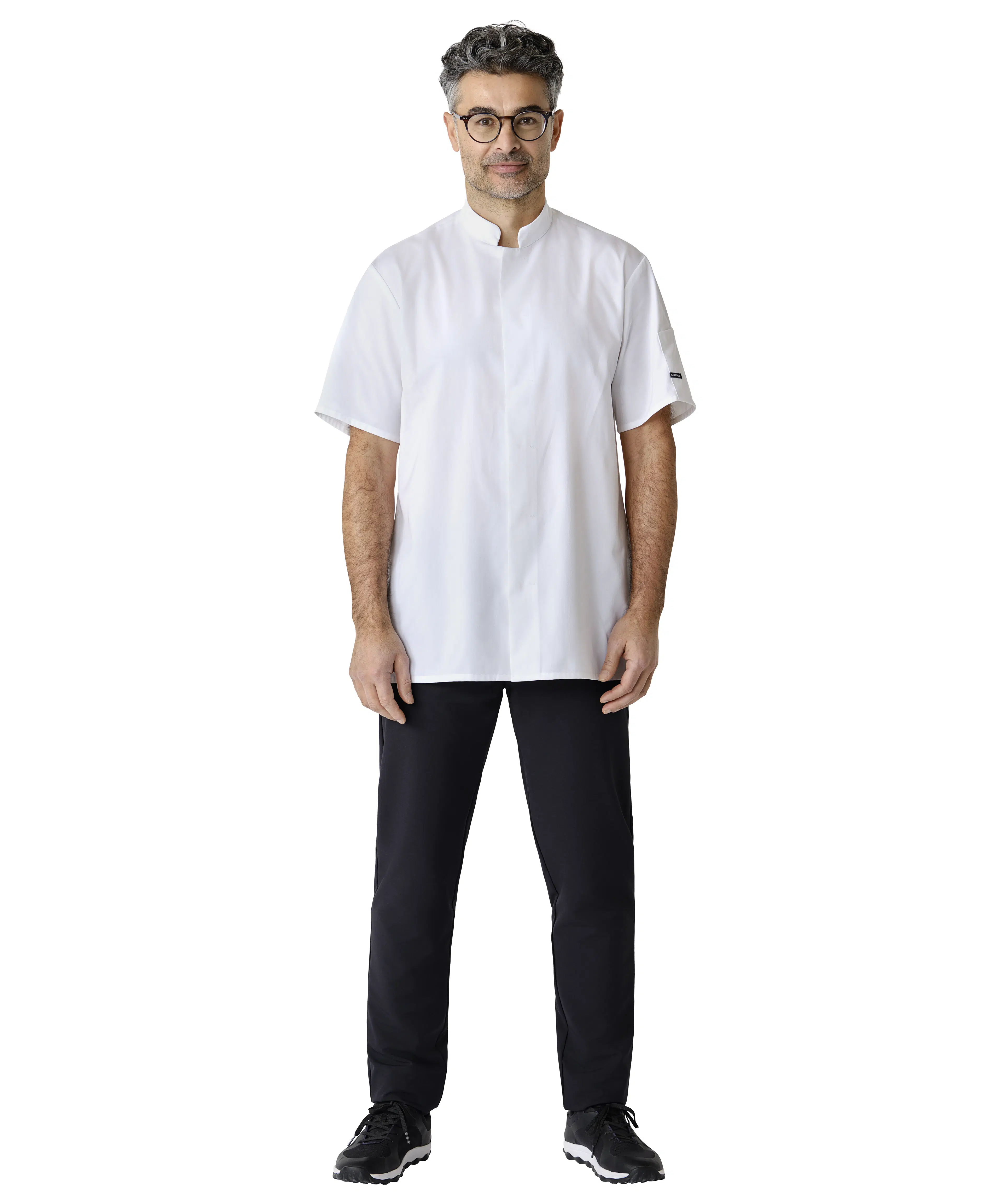
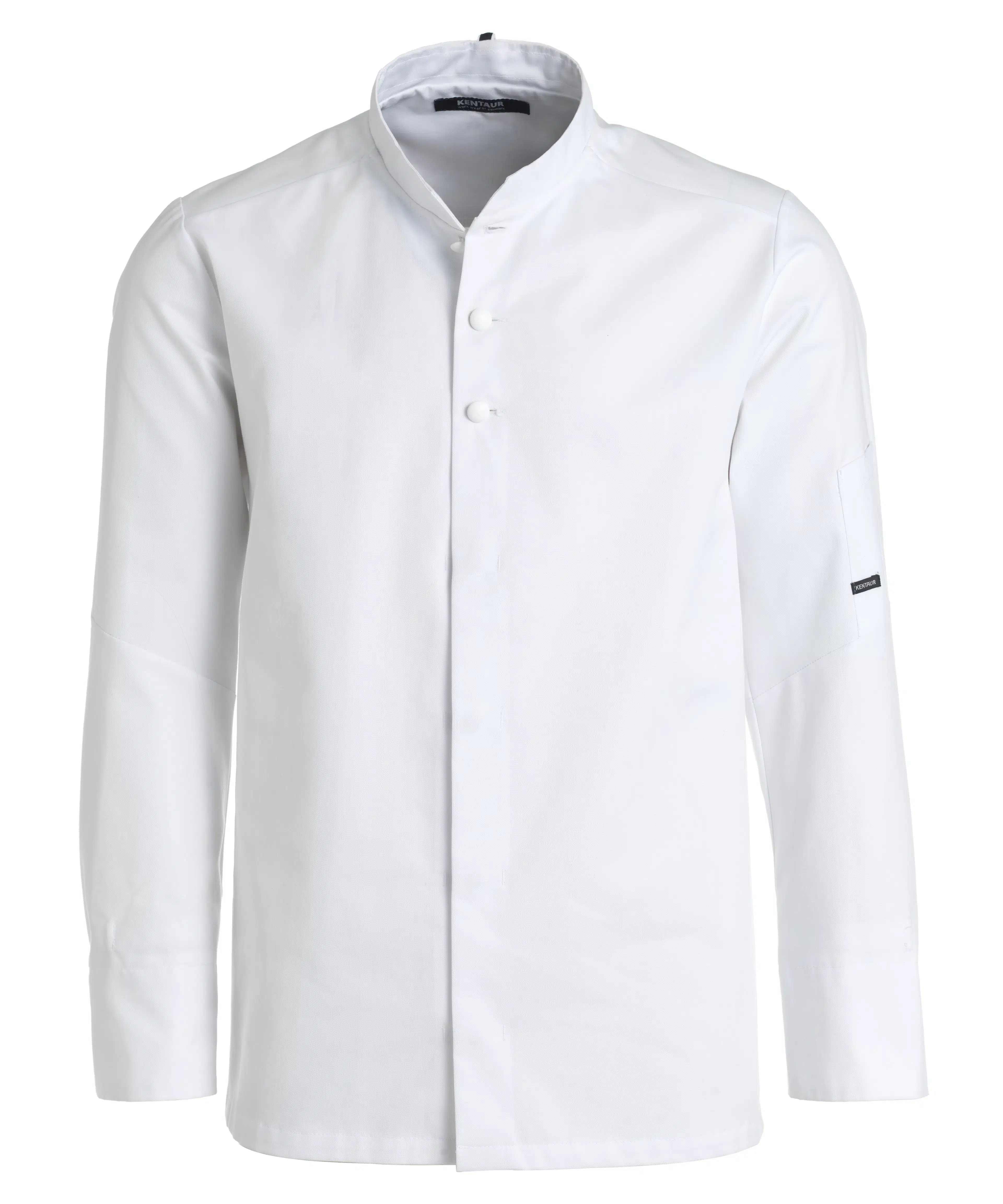
Chef/service jacket
23515-105-0-0-700
FromEUR 80.26Excl. VAT - NOOS program
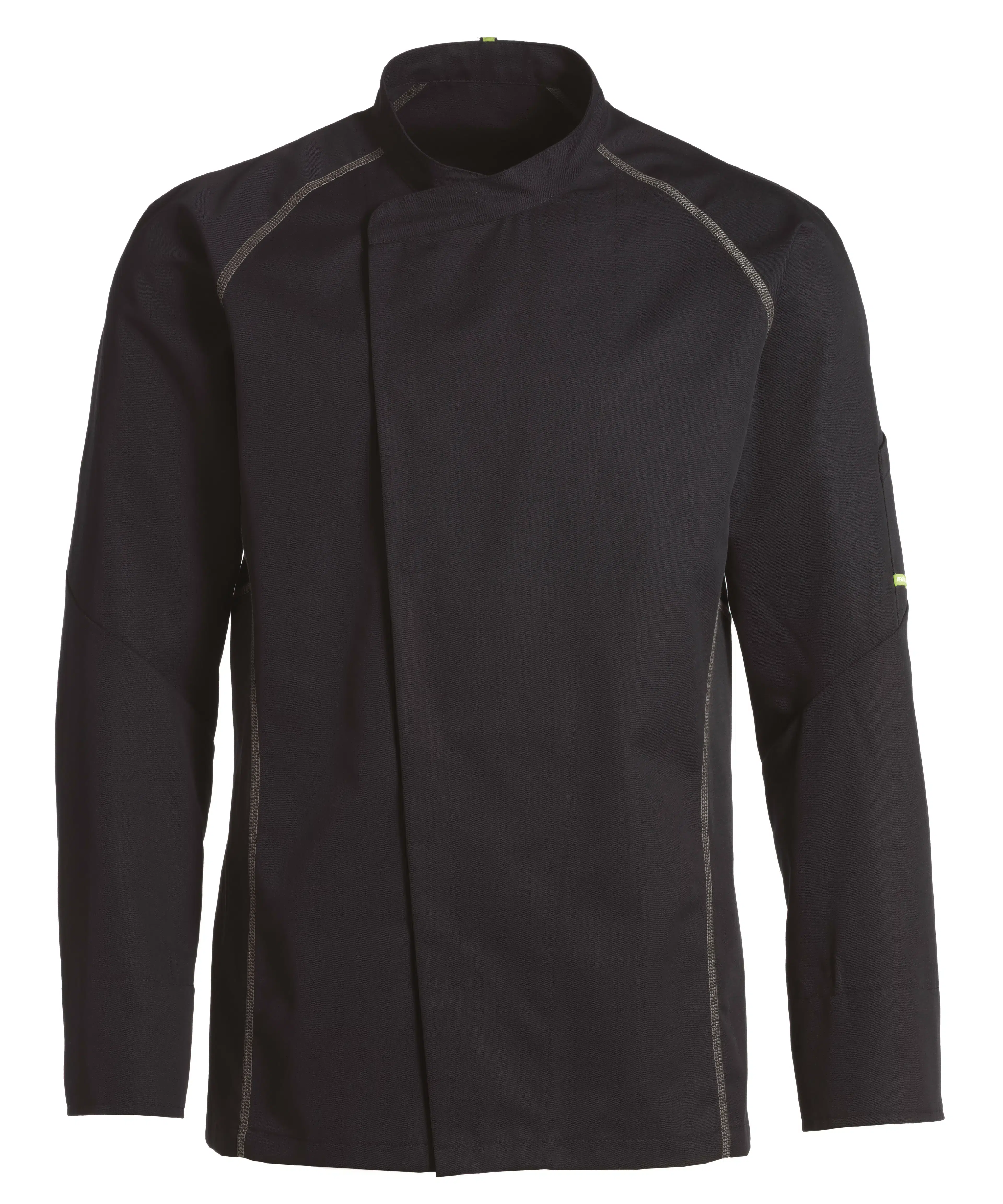
Unisex chef/waiter's jacket
23501-4100-0-0-101
FromEUR 54.28Excl. VAT - New
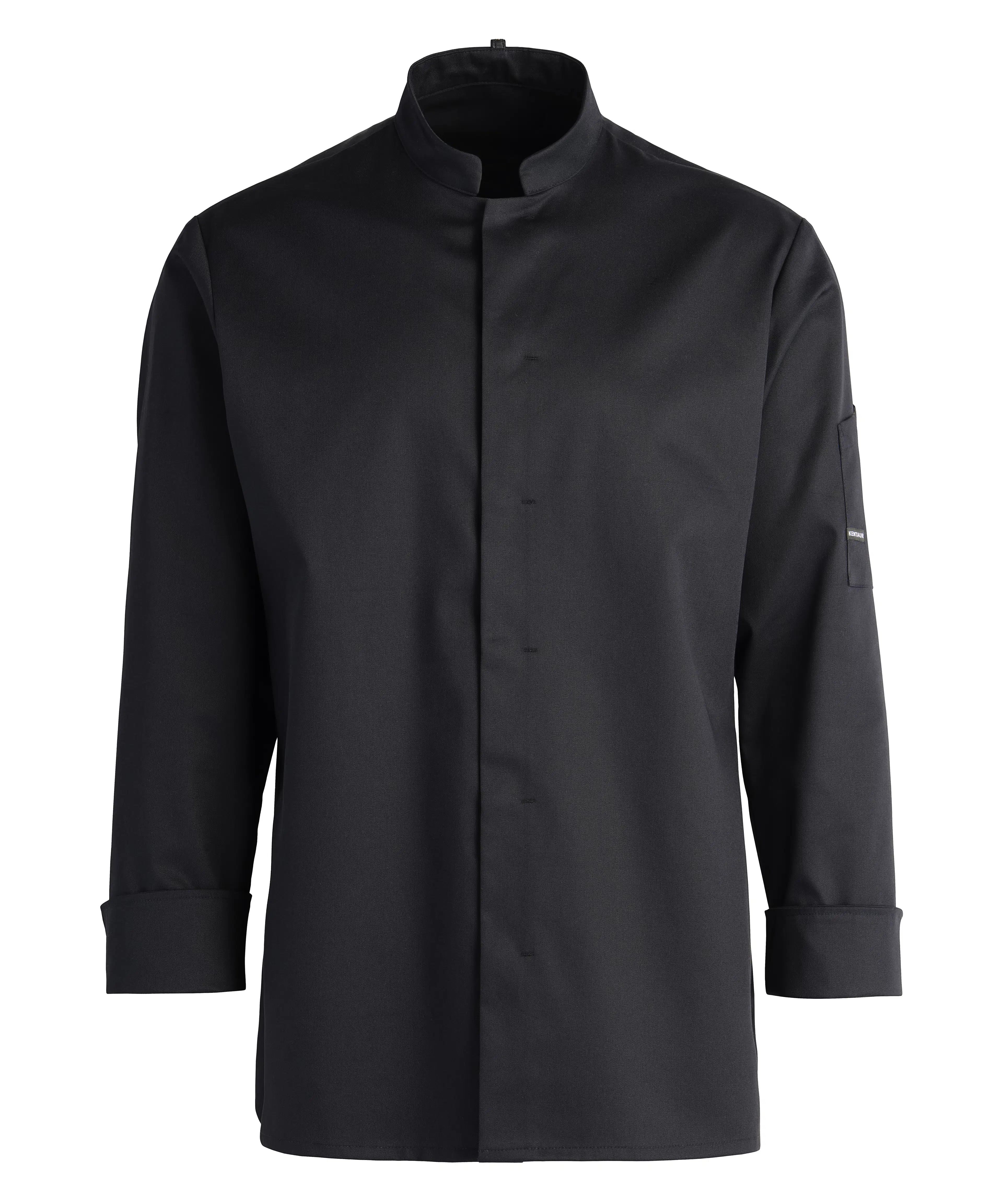
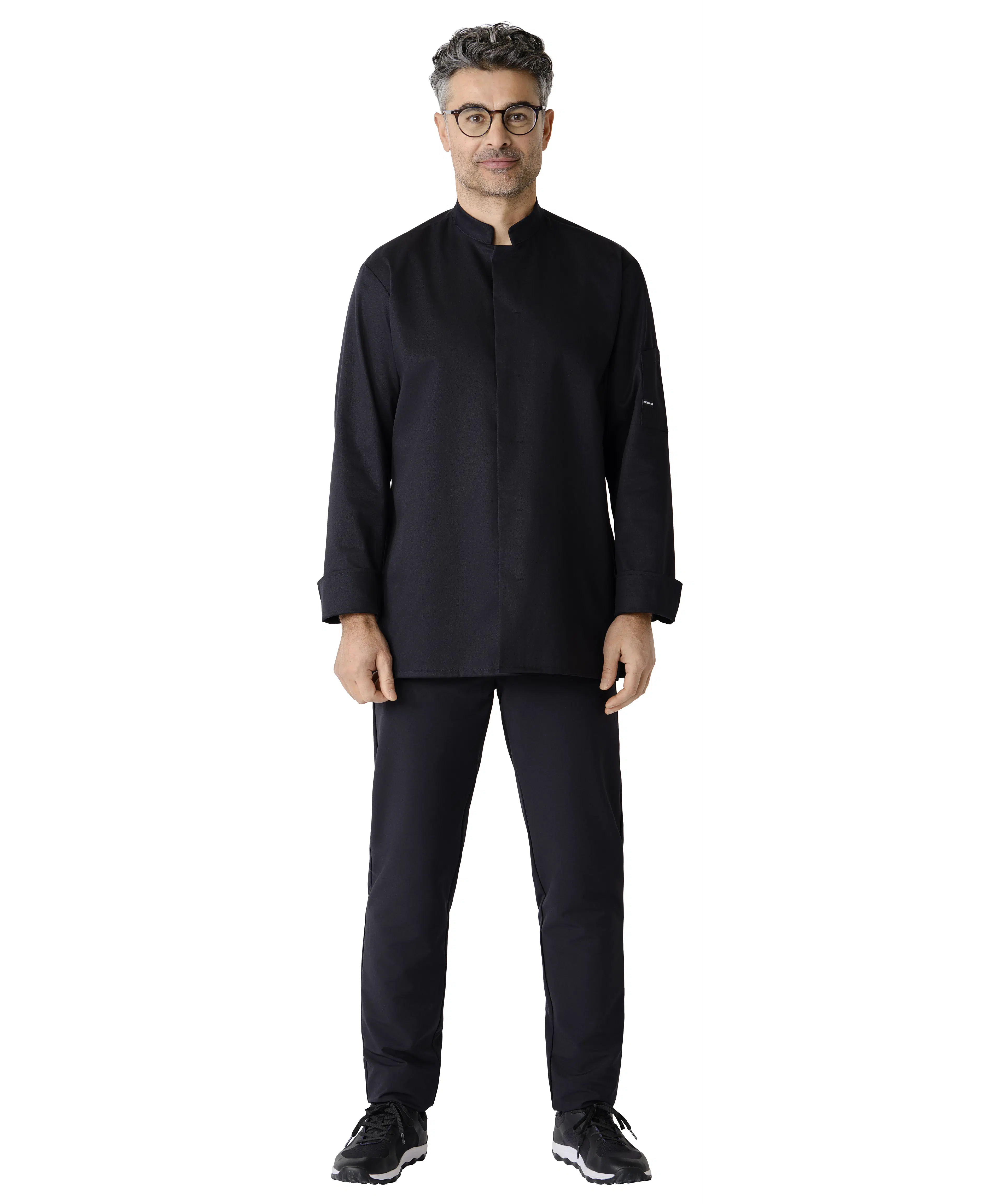
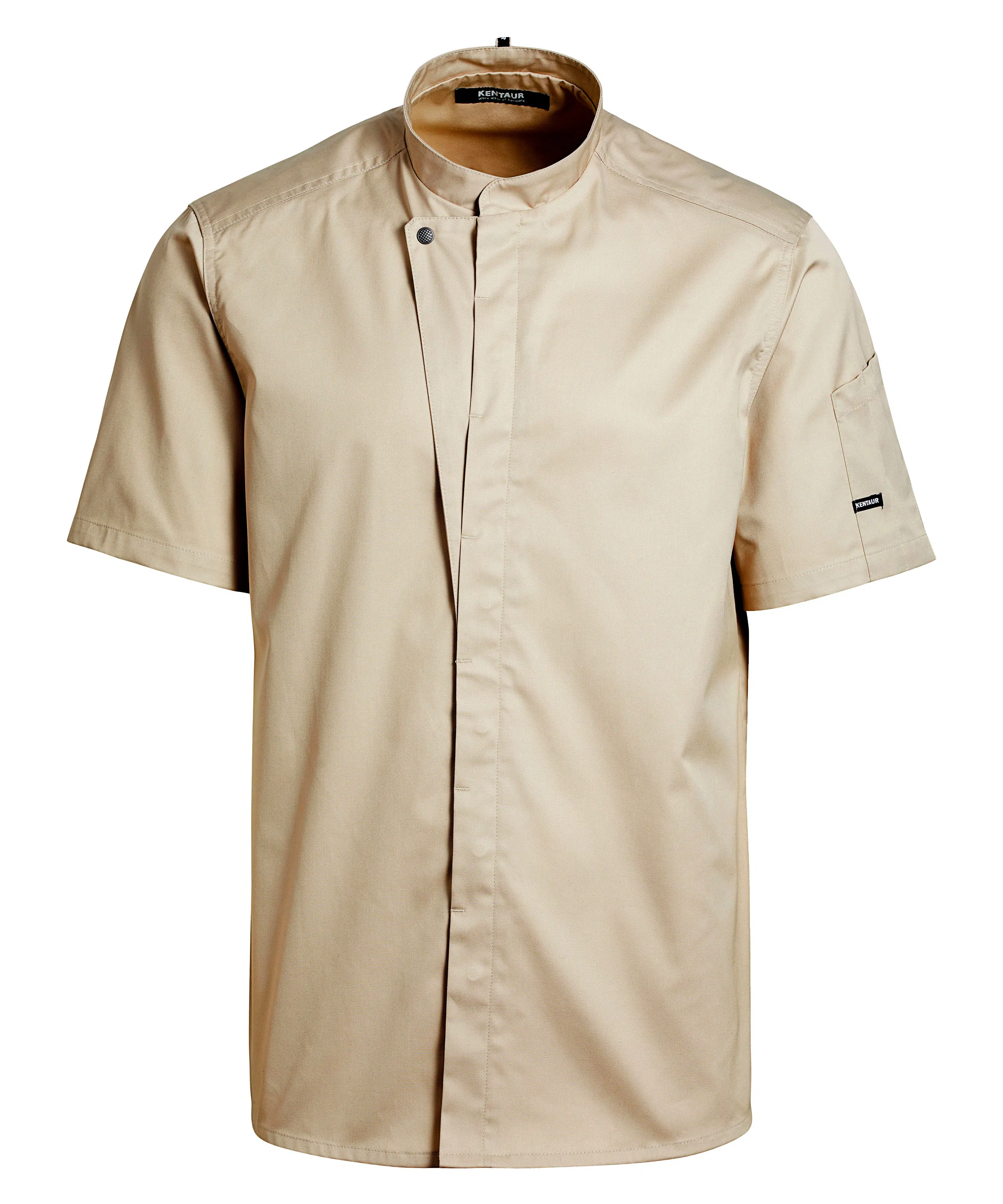
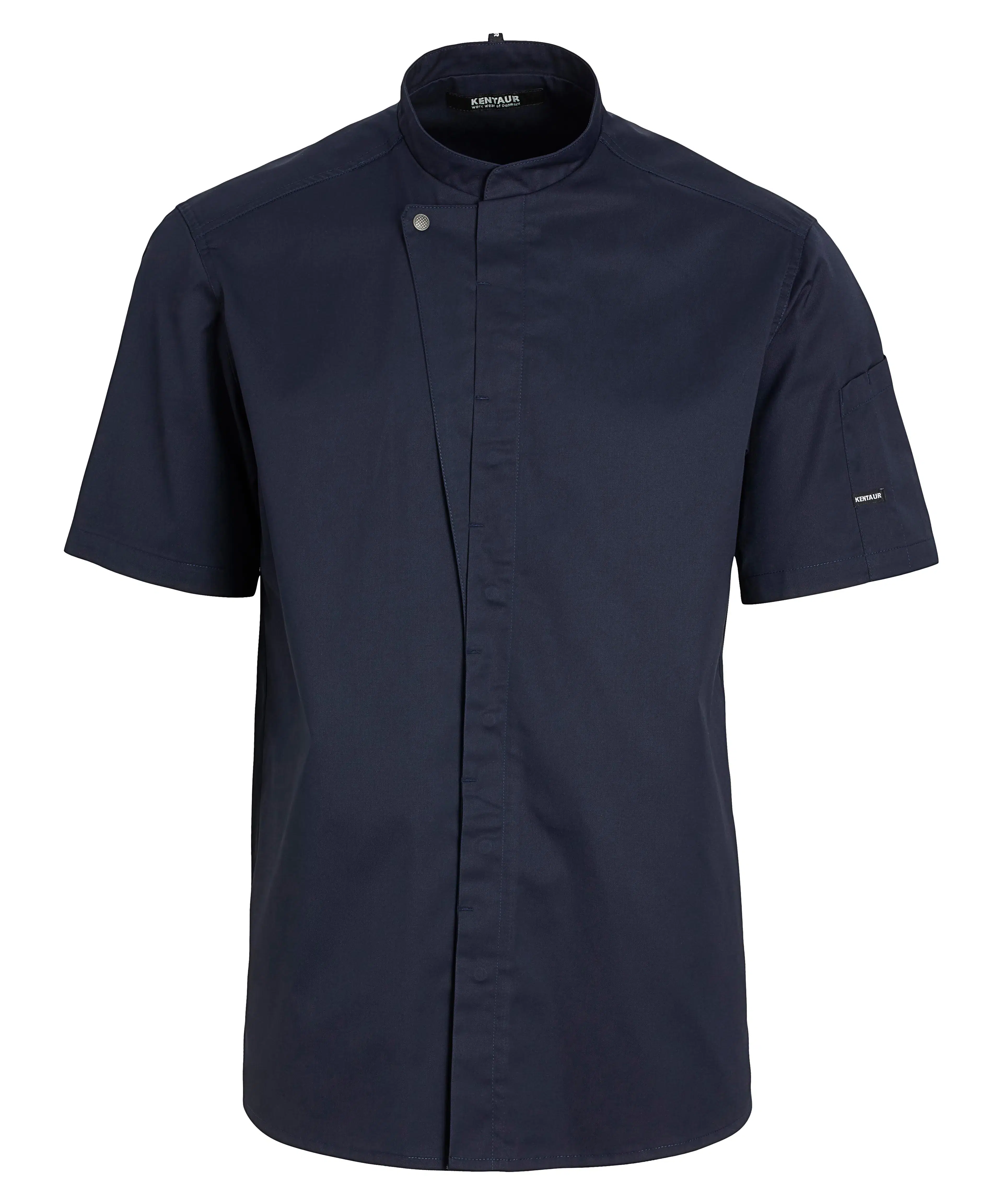
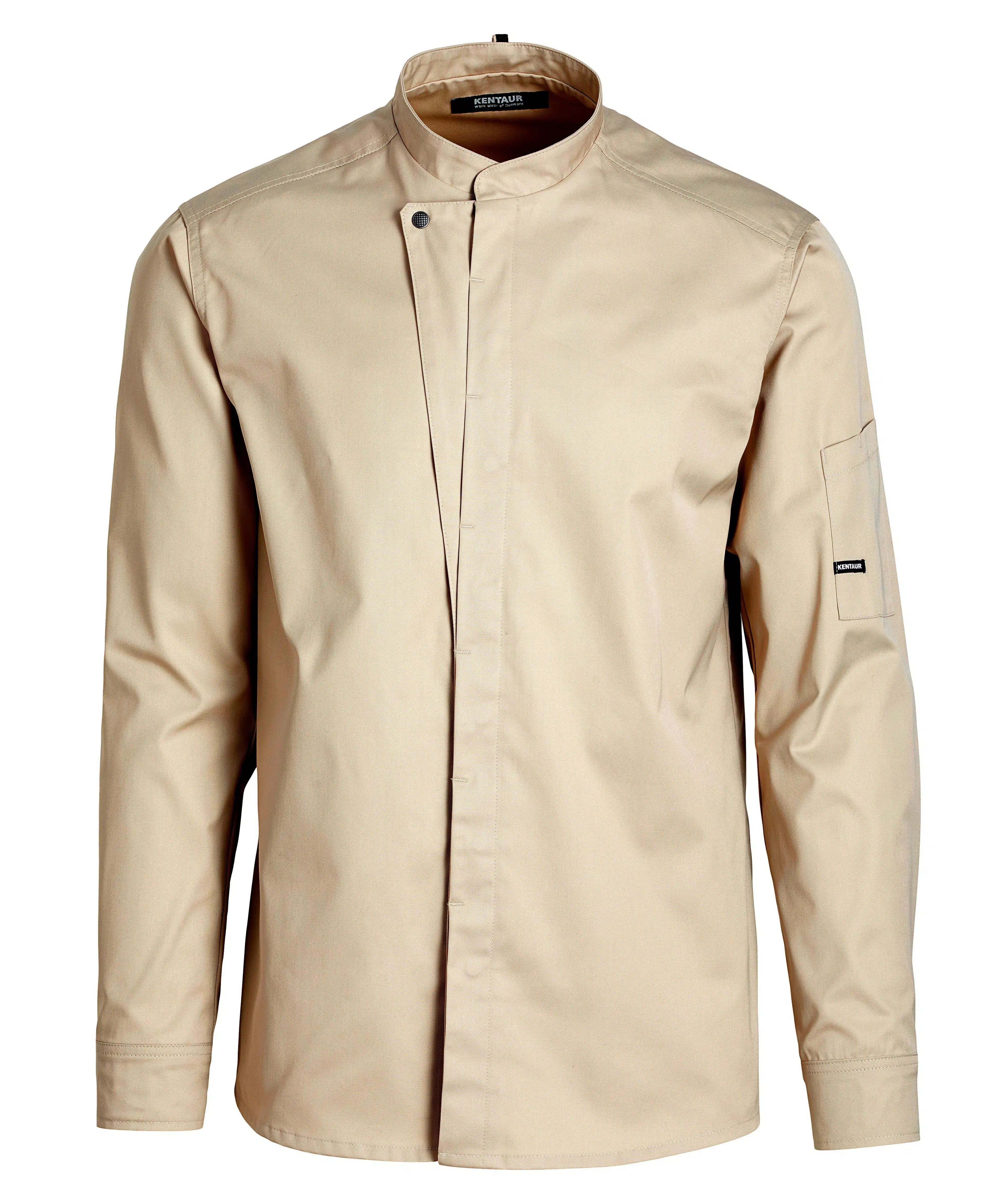
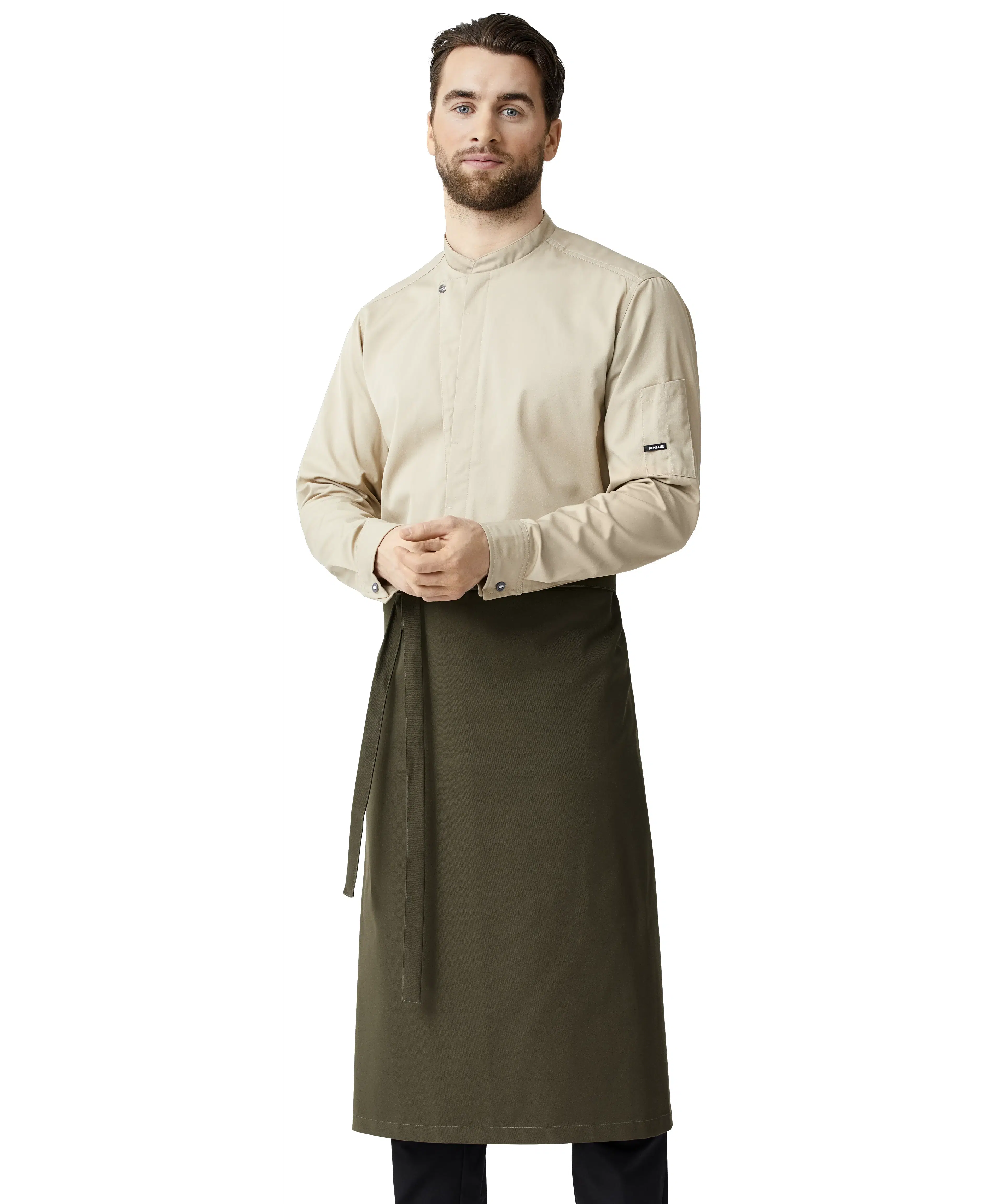
Menu chef/service jacket
23536-51-0-0-101
FromEUR 25.52Excl. VAT - Only Europe
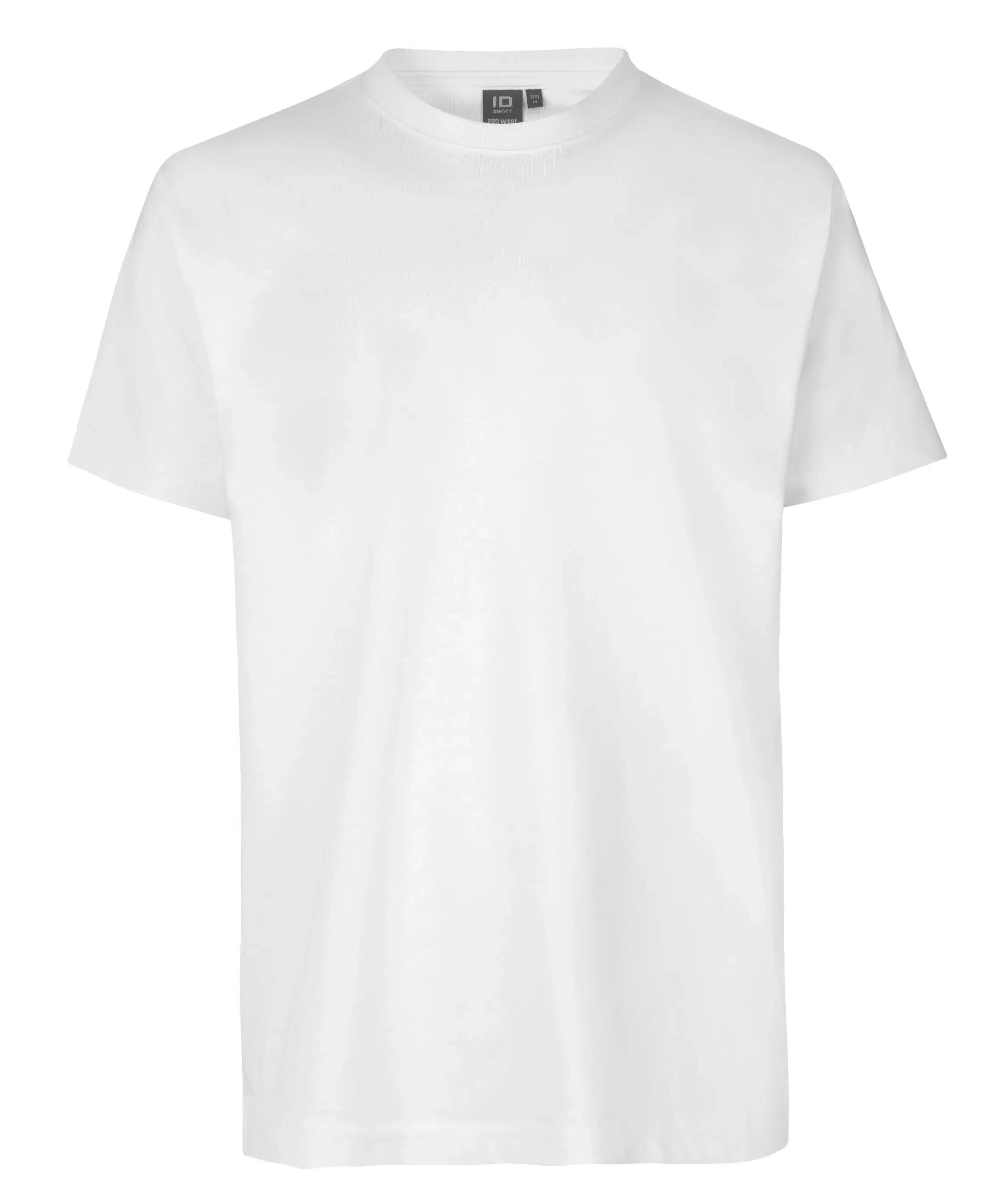
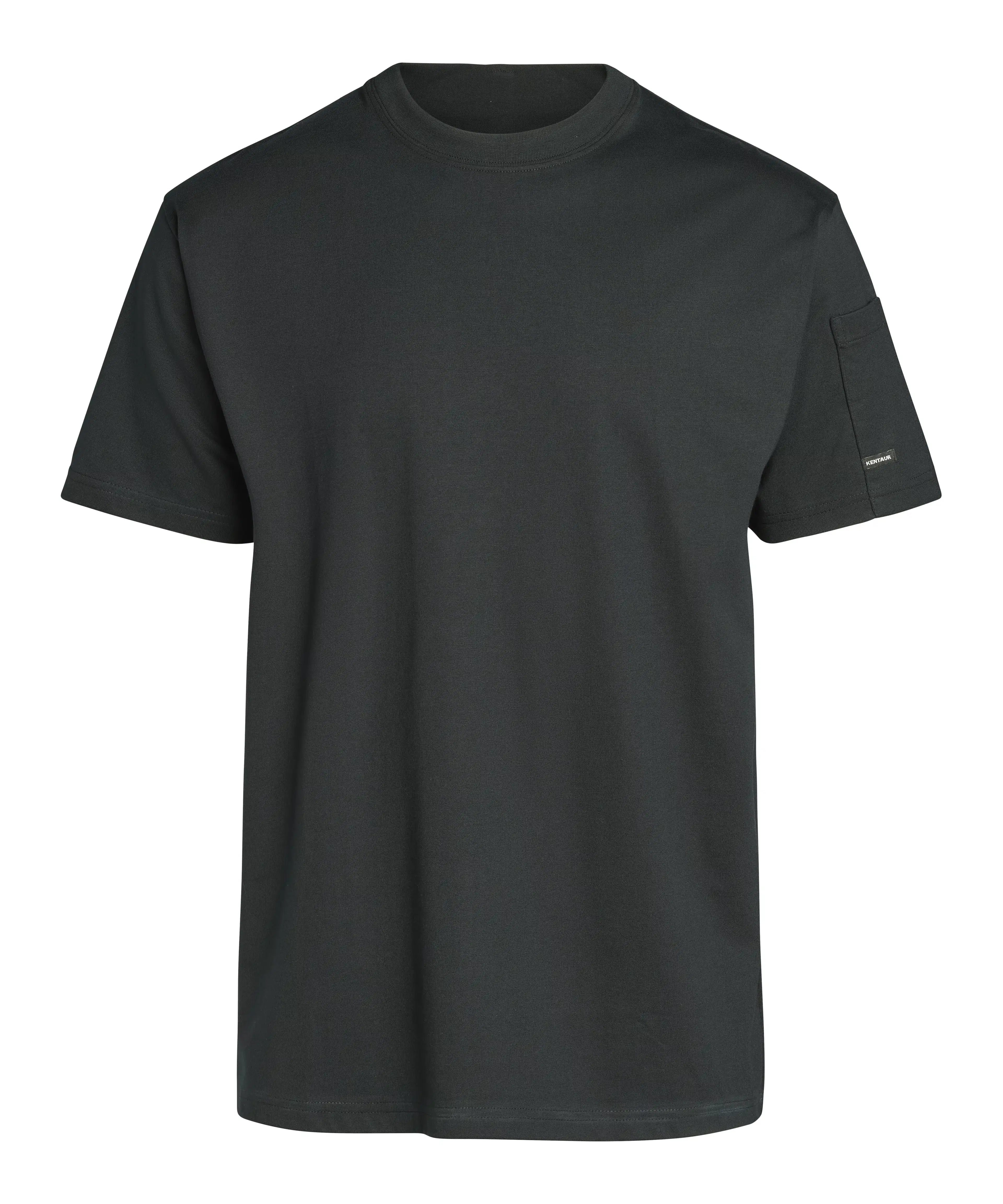
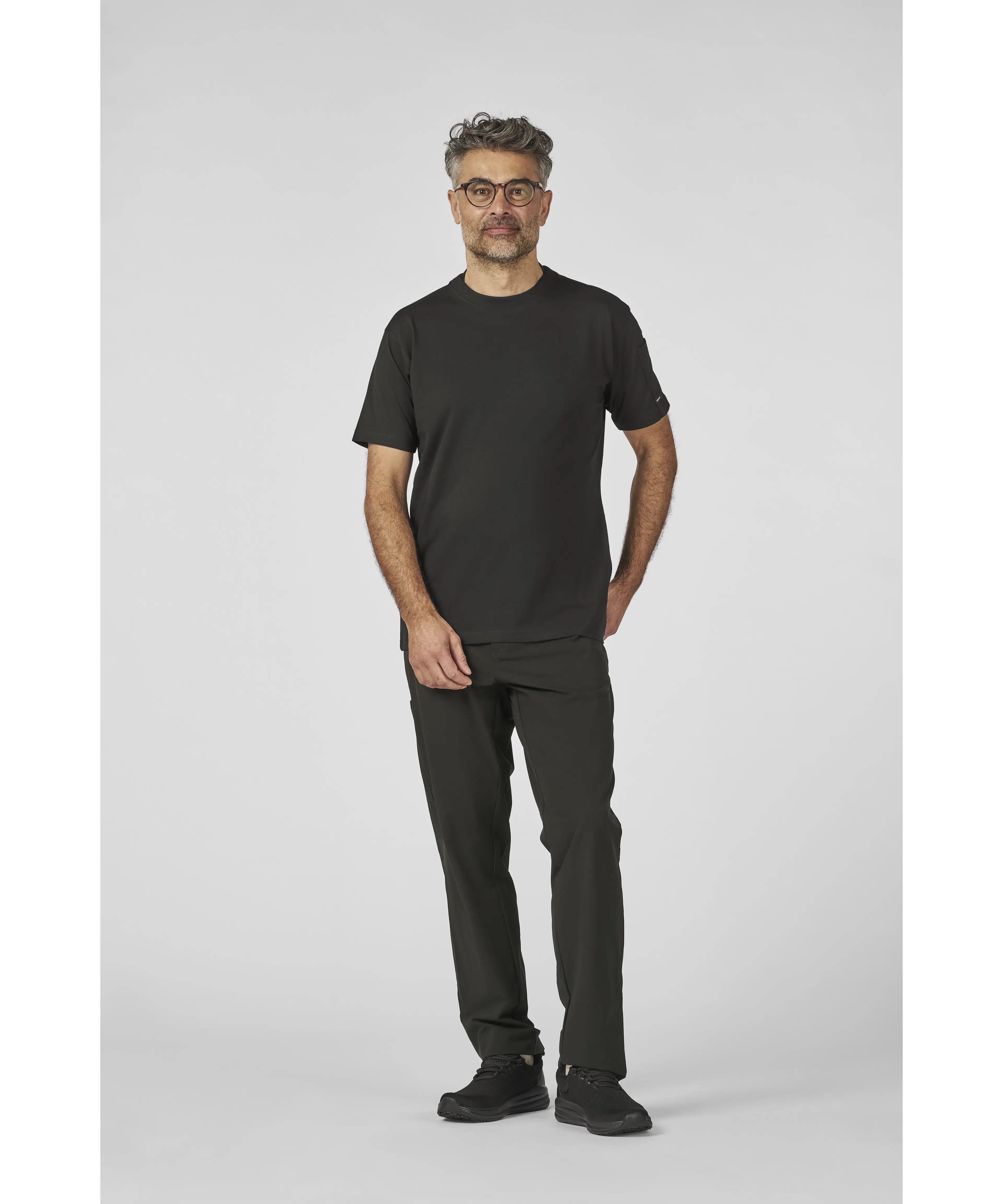
PRO Wear T-shirt ID0300
53000-575-0-0-11
FromEUR 19.95Excl. VAT - Recycled Polyester
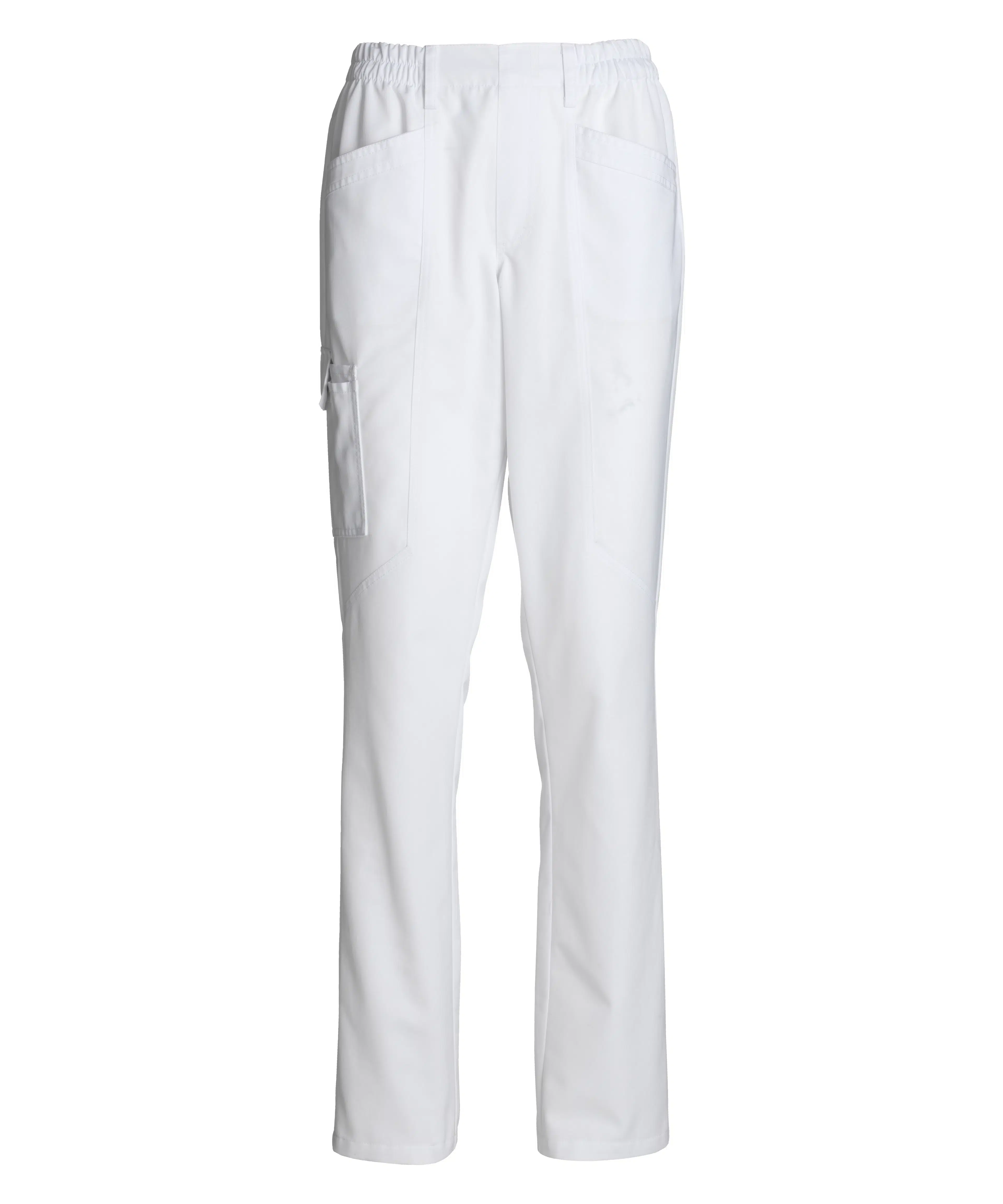
Unisex pants w. thigh pocket
16221-105-0-0-700
FromEUR 57.69Excl. VAT - Recycled Polyester
Raw bib apron w. pockets
30360-140-0-0-531
FromEUR 46.95Excl. VAT - NOOS program
Unisex jogging pants
1646-20-0-0-700
FromEUR 49.19Excl. VAT Raw bib apron w. pockets
30360-135-0-0-210
FromEUR 64.71Excl. VAT- Recycled Polyester
Chef/service jacket
23515-105-0-0-101
FromEUR 75.24Excl. VAT - Recycled Polyester
Chef/service jacket
23516-105-0-0-700
FromEUR 75.24Excl. VAT - NOOS program
Menu chef/service jacket
23535-51-0-0-101
FromEUR 30.63Excl. VAT - Only Europe
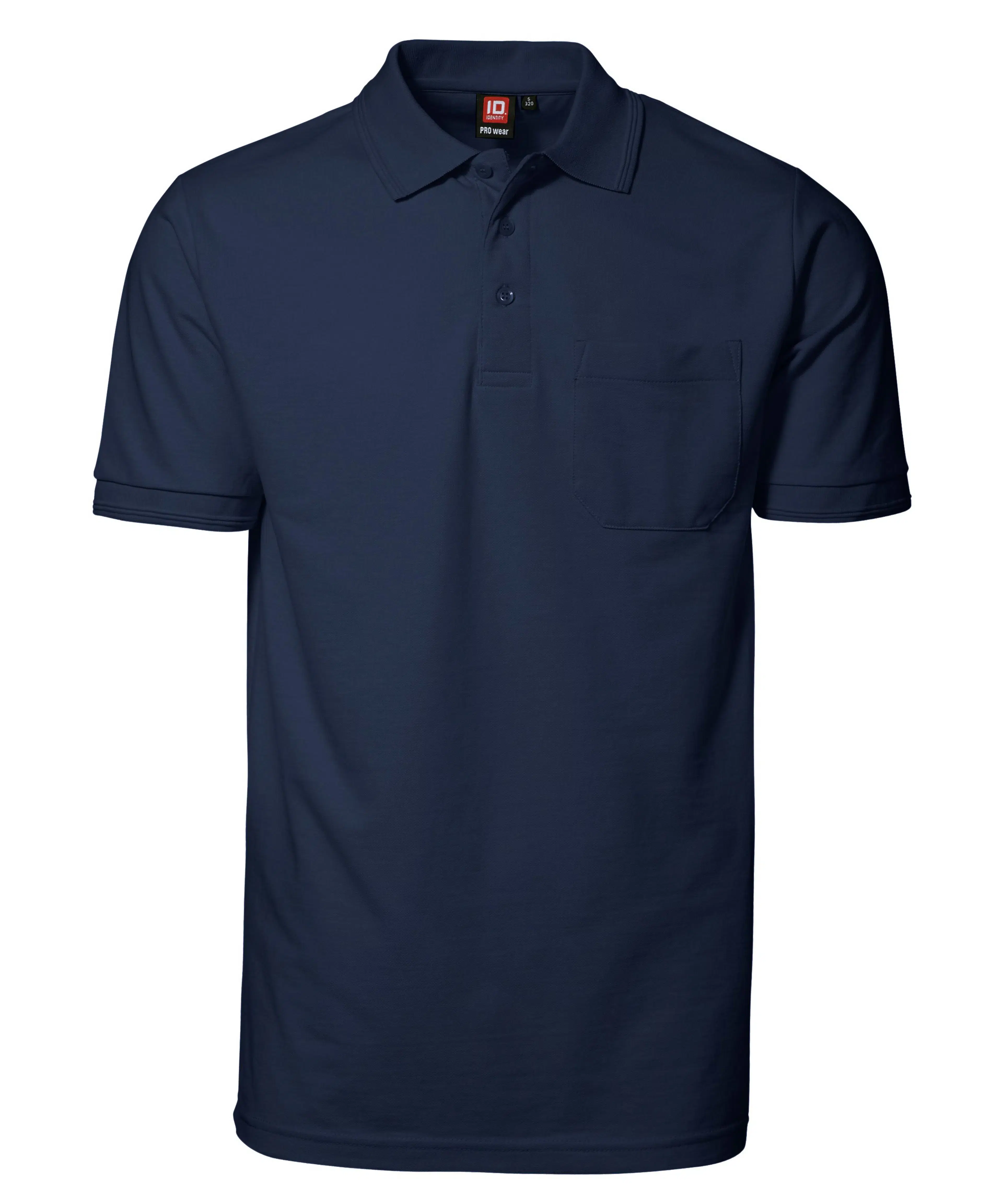
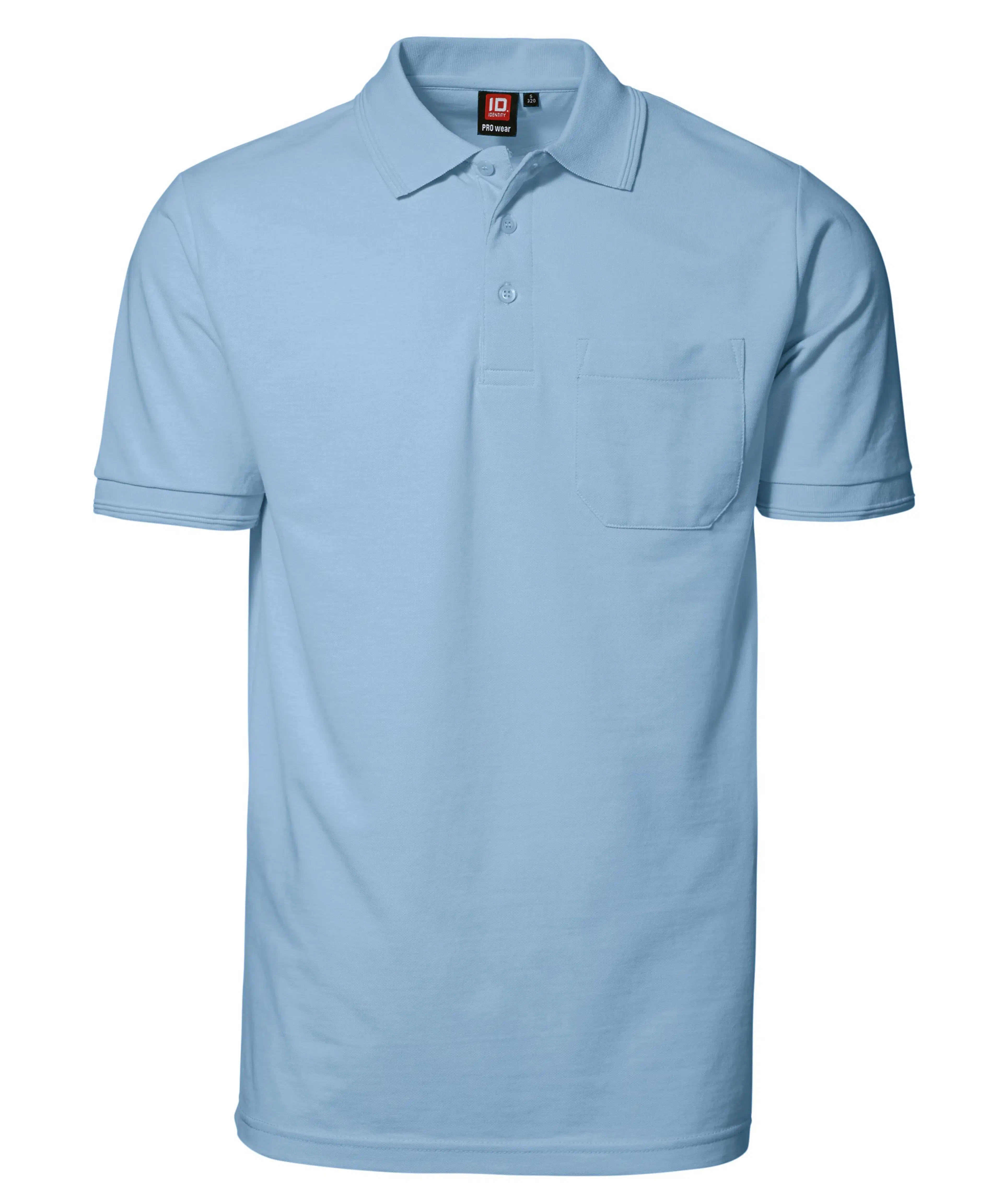
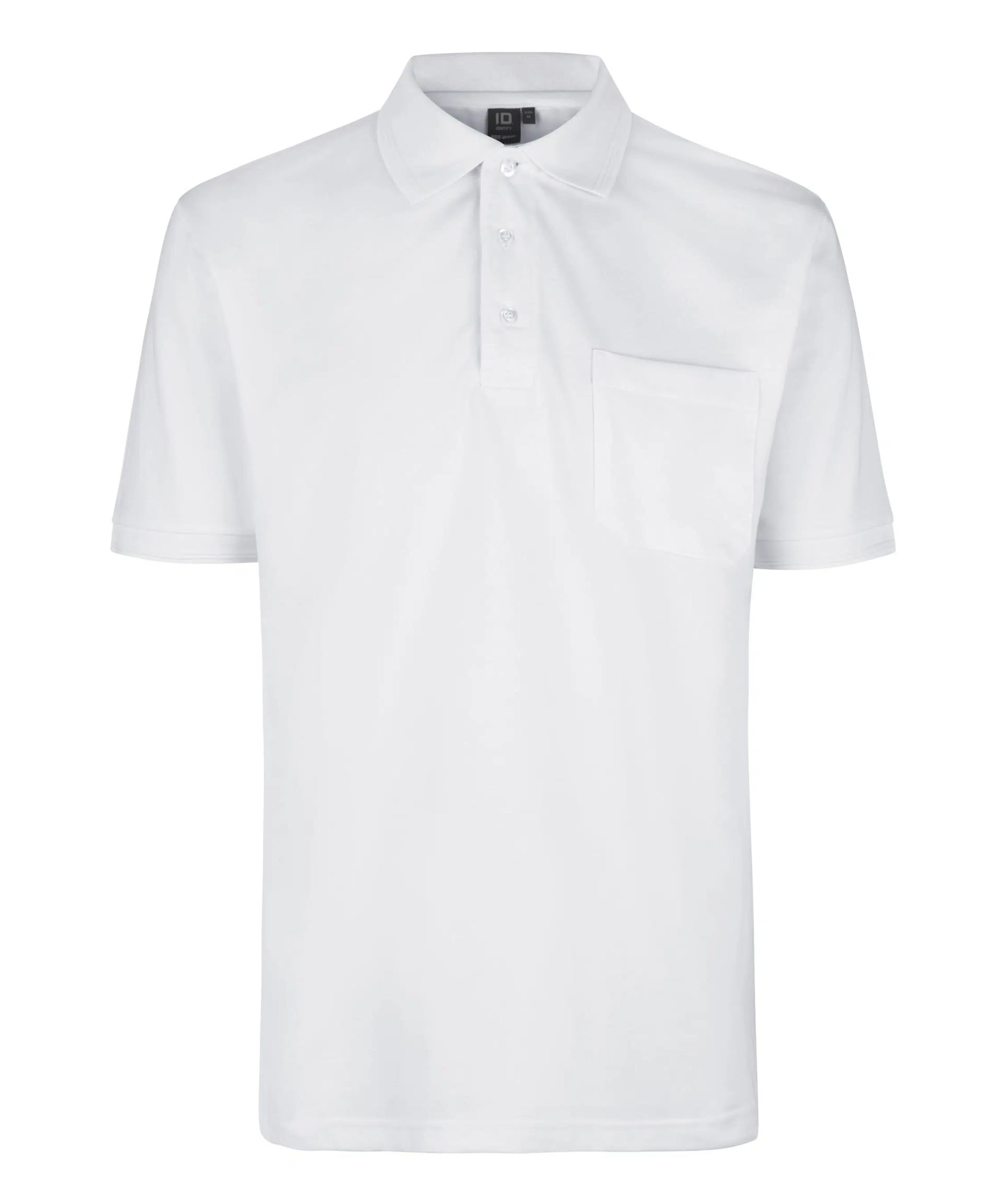
PRO Wear polo shirt ID0320
53200-575-0-0-6
FromEUR 37.90Excl. VAT - Recycled Polyester
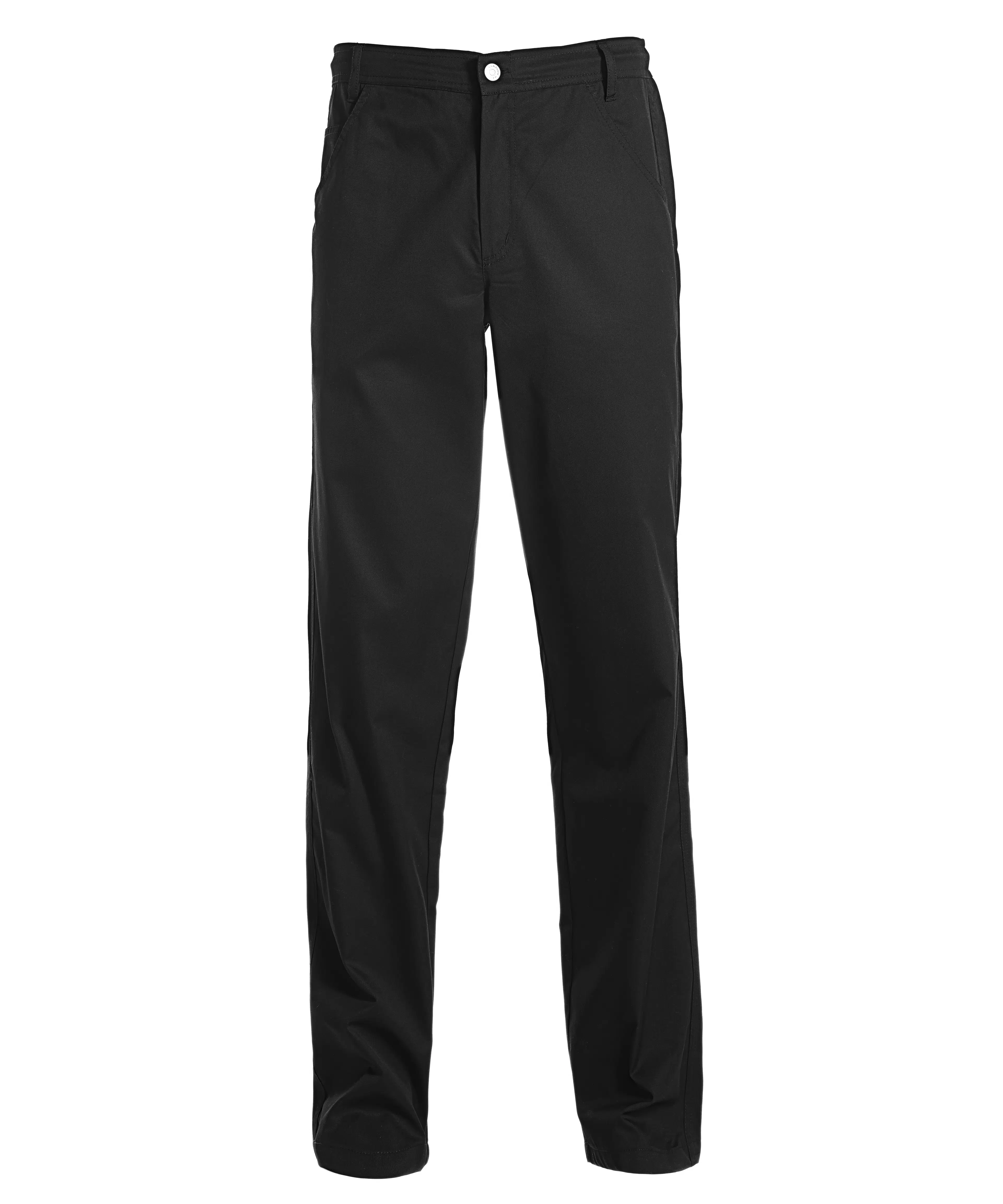
Unisex pants
1810-105-0-0-700
FromEUR 80.09Excl. VAT - New
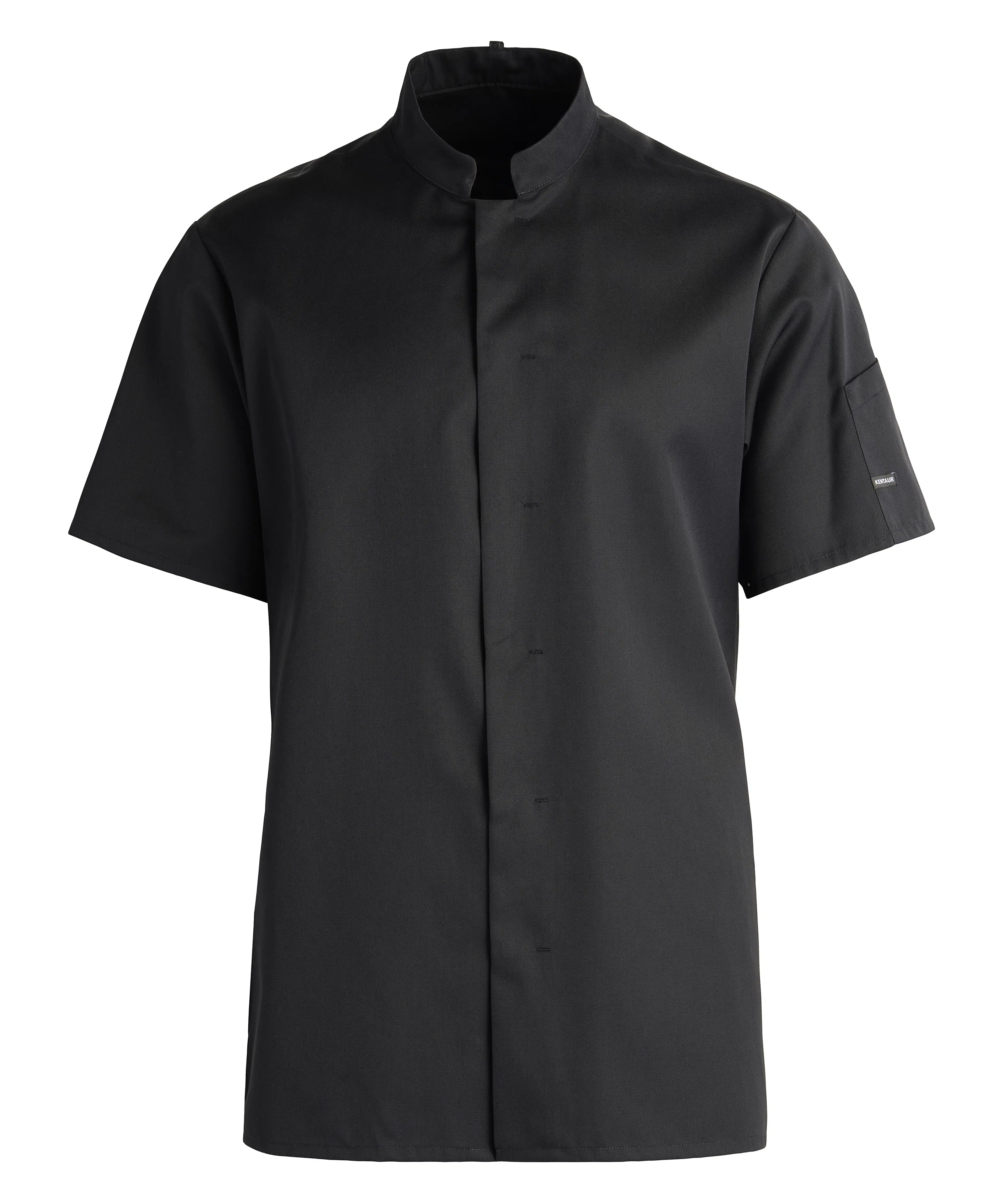
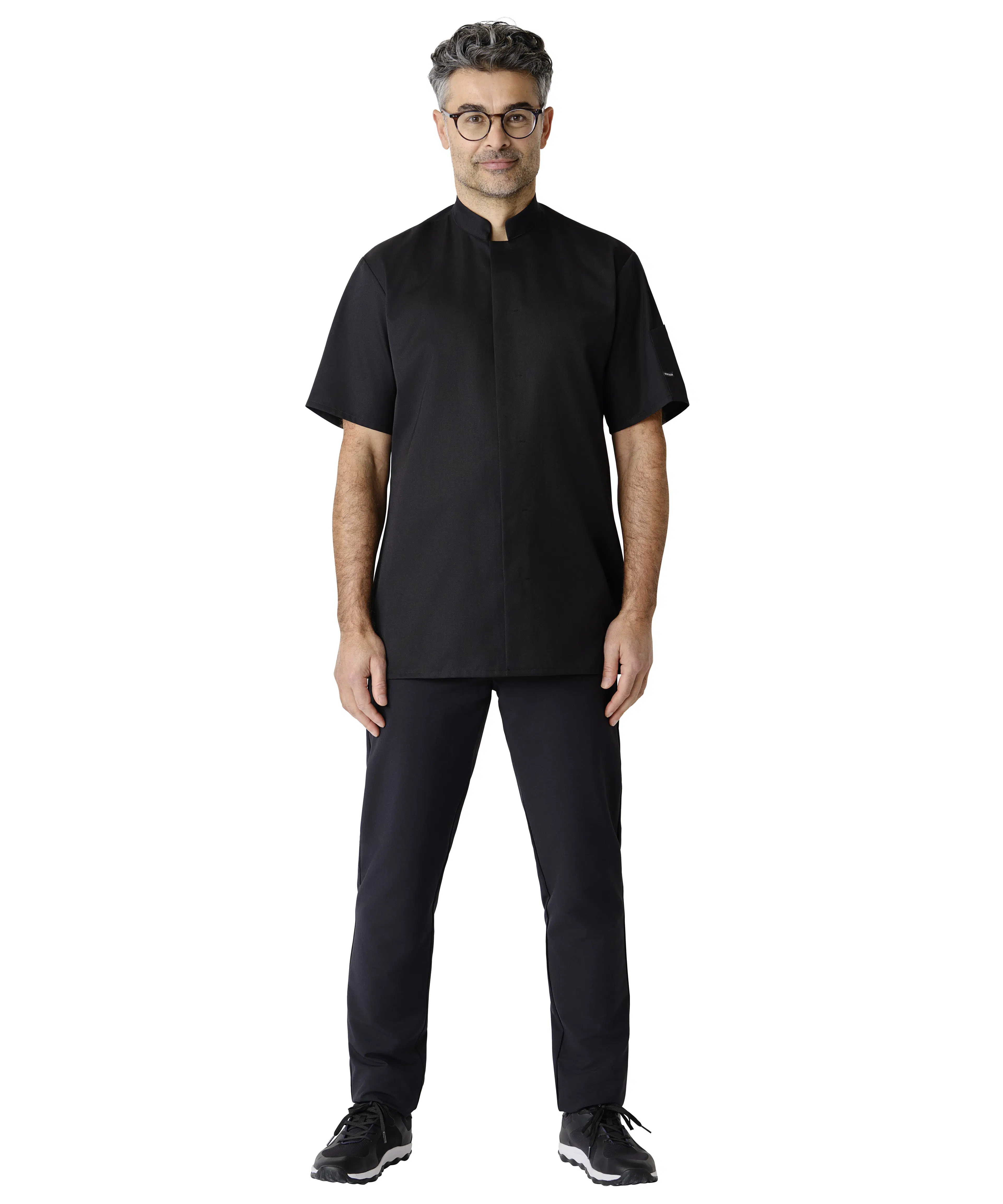
Menu chef/service jacket
23535-1401-0-0-700
FromEUR 33.19Excl. VAT - Recycled Polyester
Unisex chef/waiter's jacket
23401-105-0-0-7701
FromEUR 76.59Excl. VAT - New
Menu chef/service jacket
23536-1401-0-0-700
FromEUR 28.08Excl. VAT Unisex chef/waiter's jacket
23501-20-0-0-700
FromEUR 73.78Excl. VAT- NOOS program
Unisex chef/waiter's jacket
23500-4100-0-0-101
FromEUR 47.79Excl. VAT - NOOS programRecycled Polyester
Active unisex pants
16719-79-0-0-620
FromEUR 65.91Excl. VAT Unisex pants w. thigh pocket
18190-1401-0-0-700
FromEUR 28.65Excl. VAT- Recycled Polyester
Raw bib apron w. pockets
30360-140-0-0-700
FromEUR 46.95Excl. VAT - Only Europe
PRO Wear polo shirt ID0320
53200-575-0-0-4
FromEUR 37.90Excl. VAT Chef/service jacket
23516-123-0-0-203
FromEUR 74.74Excl. VAT- Only Europe
Fleece cardigan ID0803
58030-575-0-0-6
FromEUR 53.07Excl. VAT - NOOS programTENCEL™ Lyocell
Cross neck top - Comfy fit
15519-944-0-0-603
FromEUR 28.89Excl. VAT - Recycled Polyester
Chef/service jacket
23515-143-0-0-620
FromEUR 84.82Excl. VAT Raw bib apron w. pockets
30360-135-0-0-7770
FromEUR 64.71Excl. VATUnisex chef/waiter's jacket
23500-20-0-0-700
FromEUR 66.41Excl. VATMen's chino
26400-825-0-0-700
FromEUR 67.82Excl. VATBib apron
30330-102-0-0-527
FromEUR 28.93Excl. VATEveryWear T-shirt
25295-575-0-0-34
FromEUR 27.97Excl. VATUnisex chef/waiter's jacket
23511-4100-0-0-101
FromEUR 67.28Excl. VAT- Recycled Polyester
Chef/service shirt
25209-105-0-0-101
FromEUR 70.23Excl. VAT Oxford men's shirt
25478-1953-0-0-203
FromEUR 70.84Excl. VAT- Recycled Polyester
Chef/service jacket
23516-143-0-0-620
FromEUR 77.11Excl. VAT - Recycled Polyester
Chef/service jacket
23516-105-0-0-101
FromEUR 70.23Excl. VAT - Only Europe
PRO Wear polo shirt ID0320
53200-575-0-0-11
FromEUR 37.90Excl. VAT Chef/service jacket
23515-123-0-0-203
FromEUR 82.22Excl. VAT- NOOS program
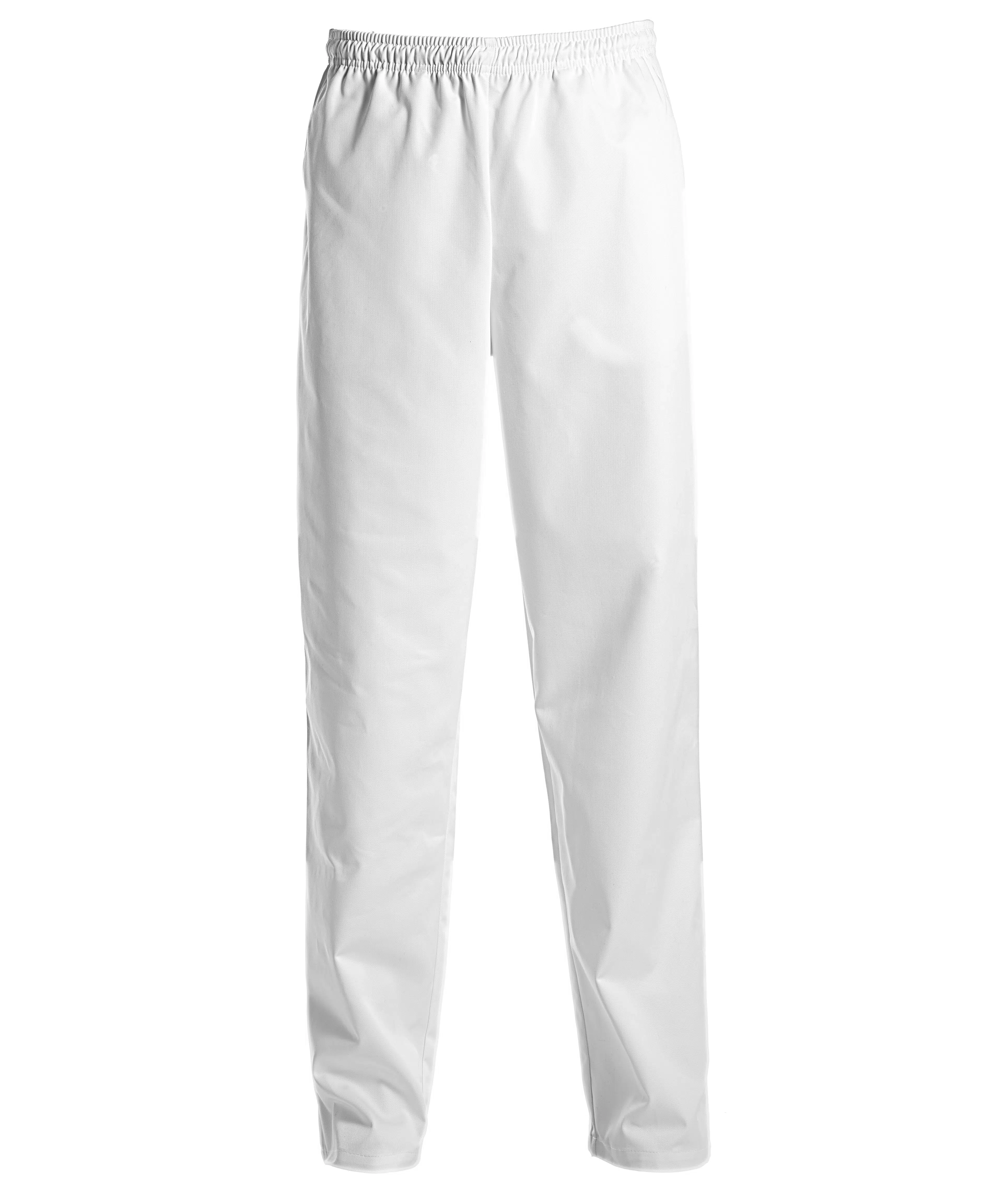
Unisex pull on pants
18140-100-0-0-101
FromEUR 76.98Excl. VAT - Recycled Polyester
Chef/service jacket
23515-143-0-0-531
FromEUR 84.82Excl. VAT - Only Europe
PRO Wear polo shirt ID0320
53200-575-0-0-18
FromEUR 37.90Excl. VAT - NOOS program
Unisex jogging pants
1646-101-0-0-101
FromEUR 39.22Excl. VAT - Recycled Polyester
Chef/service jacket
23516-143-0-0-531
FromEUR 77.11Excl. VAT - TENCEL™ Lyocell
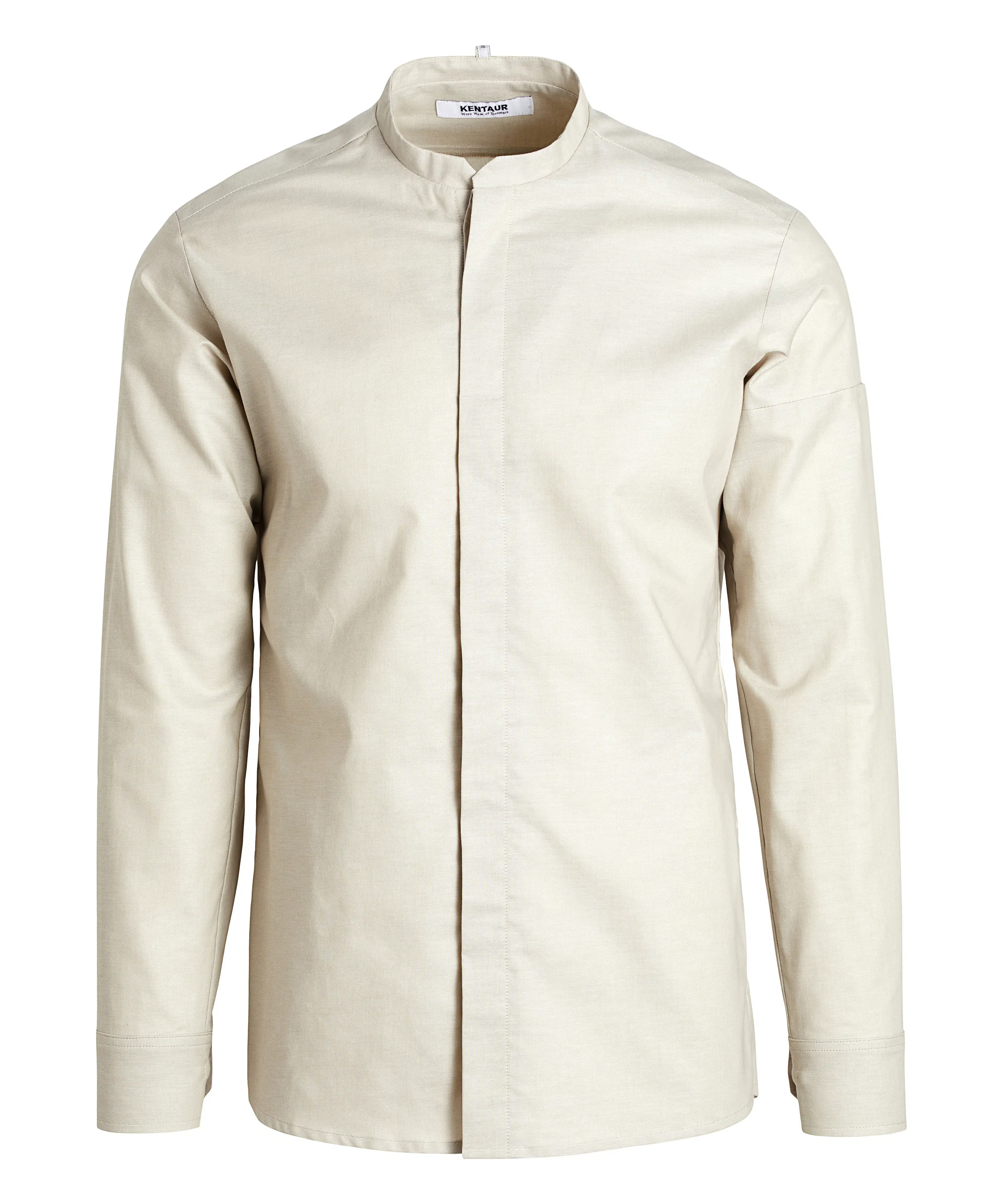
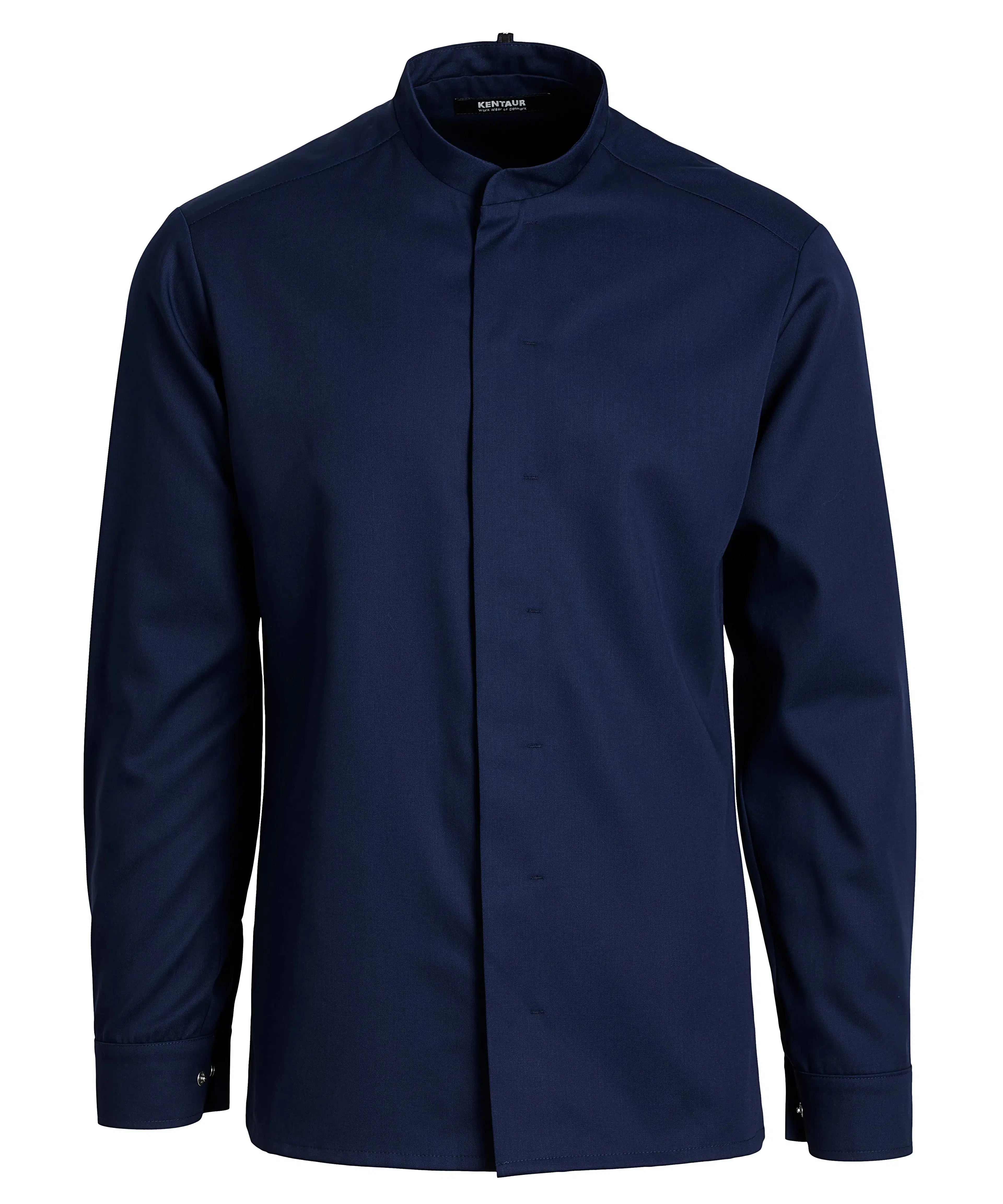
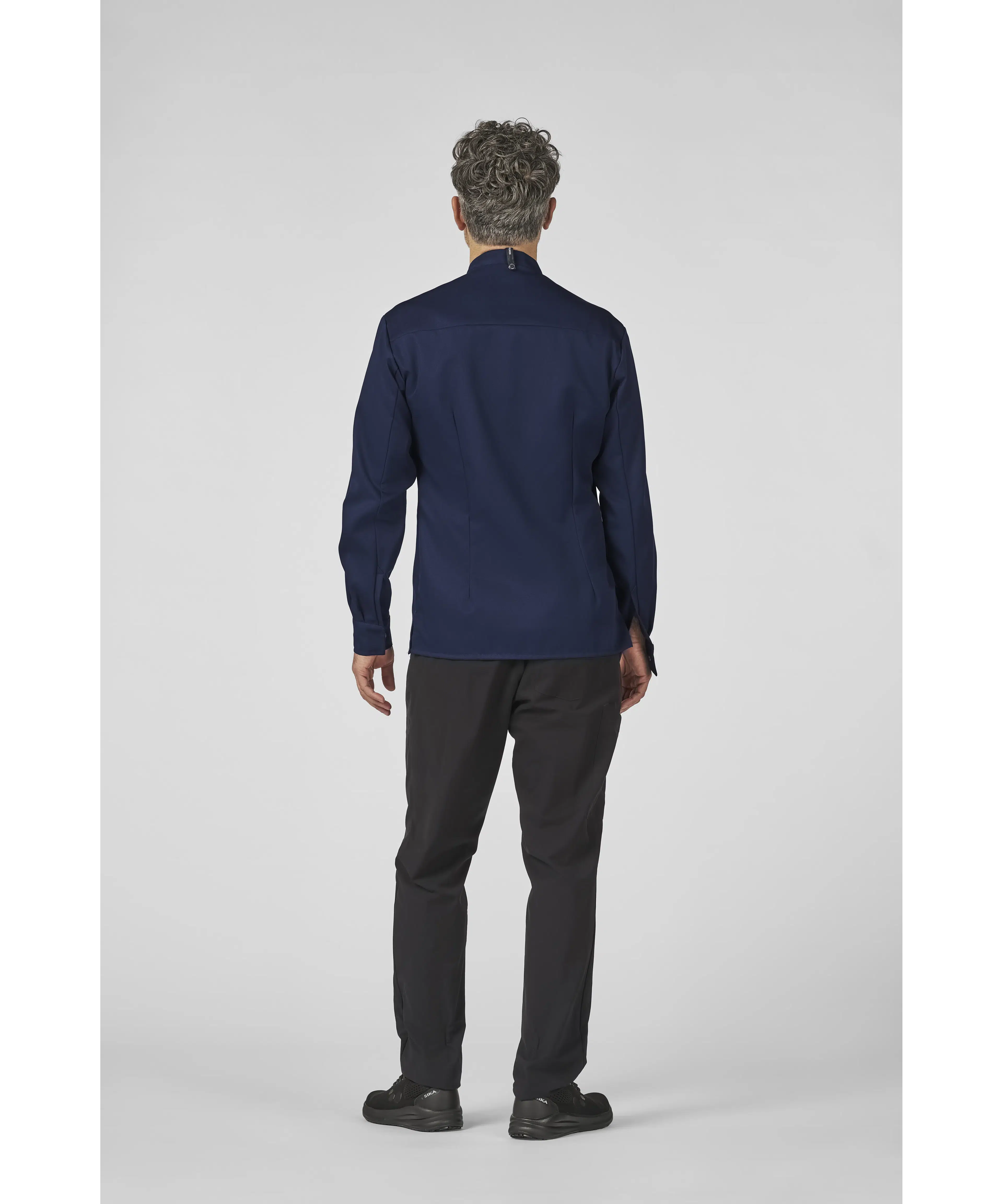
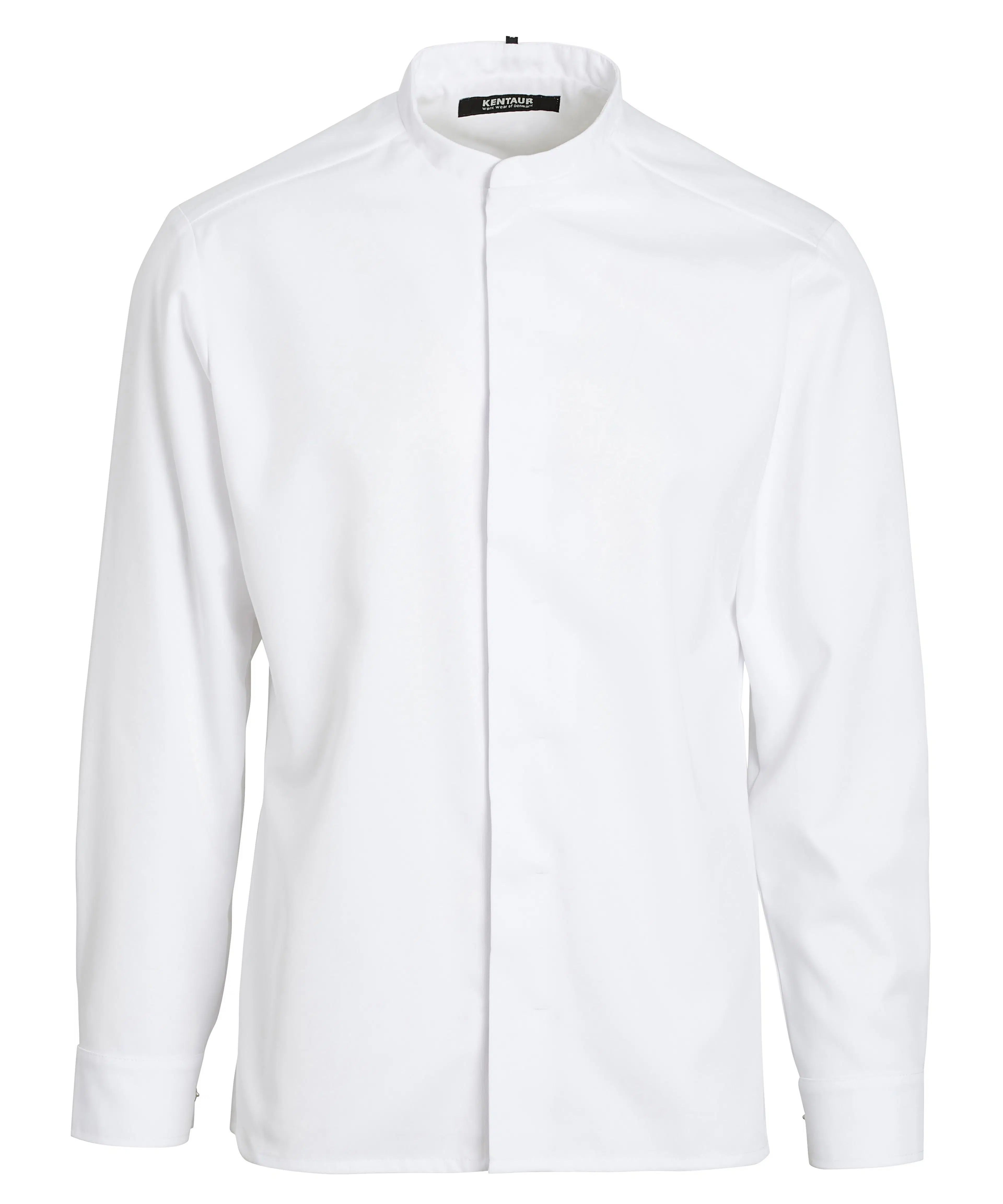
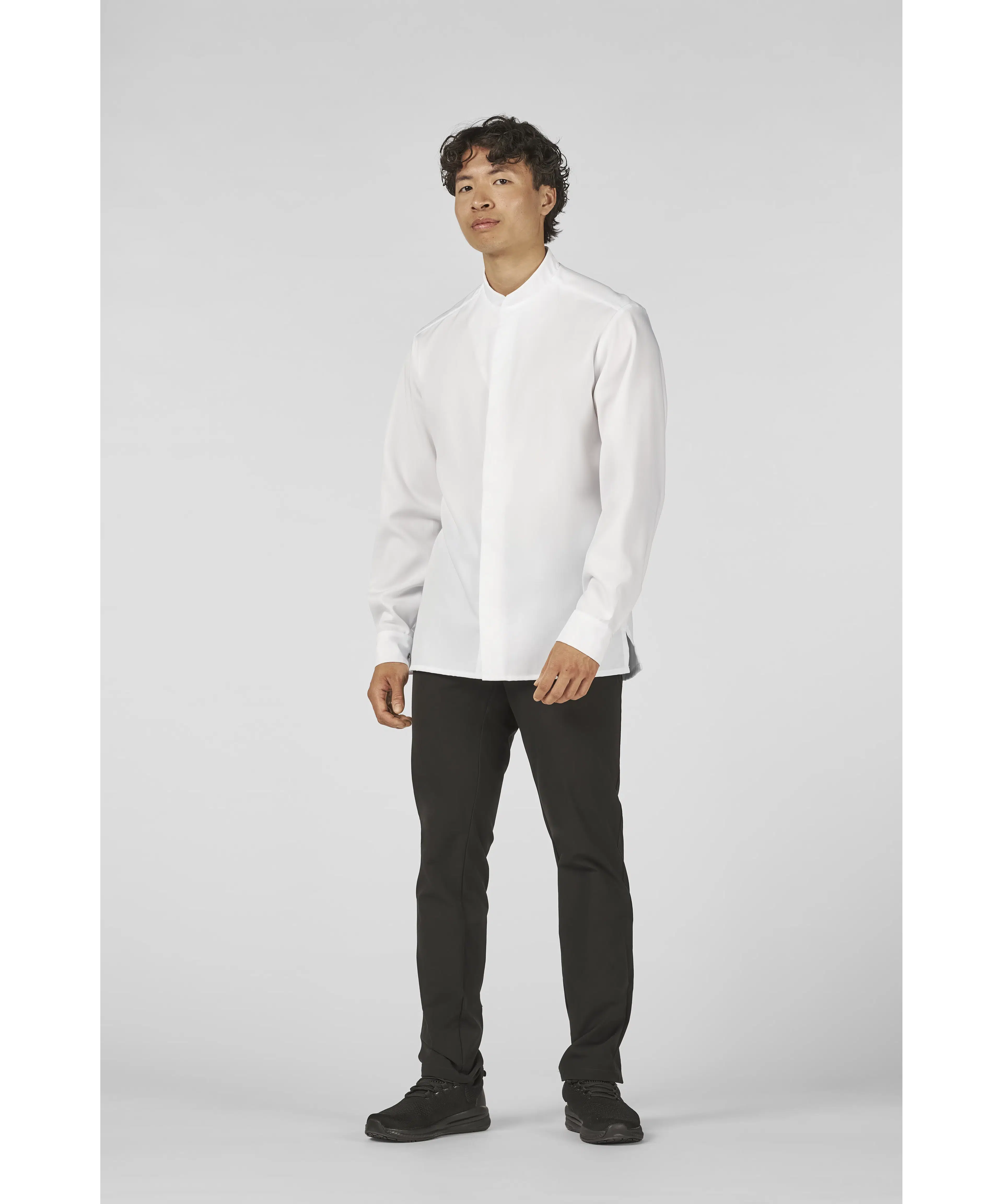
Chef shirt w. TENCEL™ Lyocell
25241-924-0-0-603
FromEUR 85.15Excl. VAT - TENCEL™ Lyocell
Chef shirt w. TENCEL™ Lyocell
25241-934-0-0-101
FromEUR 68.57Excl. VAT















Content Pages
HoReCa
Rasmus Munk Chef, Restaurant Alchemist, Copenhagen I had the chance to take part in creating our uniforms together with the designer form Kentaur, and I’m very happy with the results. Apart from looking smart the material is breathable with a lovely light feel to it which makes it very pleasant to work in. The apron solution that eliminates the need for straps feels very liberating. Performing at the front line. undefined Have your logo or name embroidered onto your workwear Made for people. At work. Responsibility is more than a 14-letter word. It's action.
Retail
From concept to counter. Kentaur equips textile service providers with retail workwear that performs in the store and in the laundry. Scandinavian design meets durable functionality, creating collections that look sharp and stay strong wash after wash. With one trusted supplier, every element fits together through design, development, logistics and service. Discover how we make retail workwear simple to manage, rewarding to deliver and effortless to wear. From insight to innovation. At Kentaur, every development begins with the people who wear and handle our workwear. Through user-driven innovation and close collaboration with laundries and textile service partners, we learn how workwear performs in the real world. We combine these insights with fashion trends, responsible initiatives and high-durability fabrics to create designs that feel natural, move freely and stand the test of time. Our goal is to make workwear that support both the atmosphere customers meet in the store and the pride professionals feel when wearing them. Features made for retail Behind every Kentaur design lies a purpose. Each collection includes thoughtful details developed for real retail work. Here are just a few of the features that make a difference in daily wear. Breathable piqué panels bring comfort and freedom of movement, while pull-up cuffs and functional pockets make work easier. Wide aprons ensure full coverage and ease of wear. CiCLO® technology is used in the knitted piqué panels, helping synthetic fibers naturally biodegrade and reducing microplastic pollution without compromising quality or longevity. Every feature adds to the experience, creating harmony in the store, confidence for the wearer and value for the service partner. ICA Medis, Stockholm When ICA Medis in Södermalm, Stockholm, reopened after a full renovation, they wanted their uniforms to reflect the same fresh energy as the store itself. Together with Tingstad, we developed a modern clothing concept that captures the spirit of their team and their neighbourhood. Seeing our workwear in action at ICA Medis fills us with pride and reminds us why we do what we do.
Catalogs
HoReCa, Retail & HACCP Healthcare & Service HoReCa Essentials & Ambassadors Retail (German) HACCP HACCP 2026 Value Added Service Value Added Service ESG ESG Brochure 2025/2026 Responsibility Report 2025 2024/2025 2023/2024 2022/2023 2021/2022 2020/2021 2017/2018 2016/2017 2015/2016 2014/2015 2013/2014 2012/2013
Food Industry & HACCP
Have your logo or name embroidered onto your workwear Our never-out-of-stock program will never let you down. Responsibility is more than a 14-letter word. It's action.
Healthcare & Service
Vivi Møller Madsen The mobility in the clothes is optimal because they are stretchy, allowing for better movement. They fit comfortably. Great pants, both the summer and winter ones. It is important that there are pockets for the things we need to carry. The residents have commented a lot on how the colors are nice and calm, which somehow also soothes them. They think it looks good on us. Have your logo or name embroidered onto your workwear Made for people. At work. Responsibility is more than a 14-letter word. It's action.
About us
Since 1990, Kentaur has focused on creating workwear that not only looks good but is also comfortable and functional down to the smallest detail. Workwear designed to be worn, used and appreciated every day. At the same time, every garment is developed with the ambition of creating value for professional laundries in the textile service sector, specifically adapted to their business models and operational needs. We work continuously to maintain a responsible supply chain and act with integrity in everything we do.
PRO Wear by ID
Have your logo or name embroidered onto your workwear Made for people. At work. Responsibility is more than a 14-letter word. It's action.
The Wing Jacket
Our Wing-Jacket is a very popular jacket among chefs and service personnel from various parts of the world, as it merges the simple chef jacket with the classic double-breasted chef jacket. We call it our chef and service jacket because it is also often requested as an element for clothing concepts aimed at retail, catering, and bakeries. The light fabric weight (175 - 180 g/m²) makes the jacket comfortable to wear in often warm environments. It comes with many different details, which overall give it a more relaxed, down-to-earth appearance. The jacket has a single visible snap button at the neck, which helps to make this design truly unique. The Wing-Jacket is available in different qualities and five different colors: white, black, green, sand, and blue.
Who we are
Workwear matters. To the celebrated Chef de Cuisine and the busy waiter. To the dedicated clinic employee and the compassionate healthcare assistant. And to most people at work. Since 1990, Kentaur has focused on creating workwear that not only looks good but also feels right to wear. Comfortable. Functional. Thought through down to the smallest detail. Giving you workwear you actually enjoy wearing. At the same time, it is our ambition that each and every piece of clothing is created to add value for professional laundries within the textile service sector. Specifically adapted to their business models and requirements. We strive always to maintain a responsible supply chain and act with integrity in everything we do. We are Danish in our essence, our business ethics, our organizational culture, and in our relaxed and straightforward way we work with customers, partners, and each other. In the end, everything we do, we do for people. At work. Made for people. At work. What we stand for Because who we are matters just as much as what we do. The principles below shape how we think, design, and work every day. Creating value. At work. At Kentaur, we design workwear to create value across the entire workwear system. From dealers who represent our brand to Textile Service partners who manage garments every day. Value for Textile Service. Built in. Our workwear is developed to perform in professional laundry systems. From durability and wash performance to long product lifecycles, every detail supports reliable textile service operations. Learn more Value for dealers. Built together. We support our dealers with products, tools, and services that make it easier to present and sell Kentaur workwear. Built to strengthen partnerships and create value for customers. Learn more
Ambassadors
Across kitchens, clinics, restaurants, stores, production environments, and professional teams, we work with people who share our passion for craftsmanship, functionality, and professionalism.The people who wear Kentaur inspire how we design and improve our workwear through the pride, skill, and dedication they bring to their everyday work. Professionals who inspire. Lukas Kienbauer In the Austrian town of Schärding, Lukas Kienbauer has created a gastronomic universe driven by precision, personality, and relentless attention to detail. Today, he runs three restaurants while continuing to push the boundaries of fine dining on his own terms. Brian Bojsen From Denmark to some of Germany’s biggest television screens, Brian Bojsen has built a career by doing things his own way. With a passion for food, adventure, and unforgettable experiences, he continues to challenge what modern gastronomy can be. Liv Schlüter At just 26, German pastry chef Liv Schlüter has already made her mark in high-end gastronomy. Through creativity, precision, and a desire to rethink kitchen culture, she is shaping a new generation of pastry craftsmanship. Michael Nørtoft Together with his wife, Lærke, Michael Nørtoft is leading Michelin-starred Ti Trin Ned into a new era. With experience from some of Denmark’s top restaurants and a passion for creating meaningful guest experiences, his focus is on the details that make the biggest difference. Pekka Terävä Pekka Terävä is one of Finland’s most recognized chefs and the man behind the Michelin-starred restaurant Olo in Helsinki. With a background in professional football and a passion for Nordic ingredients, he has helped shape modern Finnish gastronomy. National Culinary Teams. Denmark. The Danish Culinary Team represents craftsmanship, precision, and teamwork at the highest level of gastronomy. Through our partnership, we support professionals who inspire excellence in kitchens around the world. Finland. Known for their calm precision and dedication to quality, the Finnish Culinary Team represents modern gastronomy with strong craftsmanship at its core. Our partnership is built on a shared passion for functionality and performance in everyday work.
Terms & Conditions
These sales and delivery terms and conditions apply to all agreements entered into between Kentaur A/S (hereinafter “Kentaur”) and the buyer, unless Kentaur has accepted another basis for agreement in writing. Last updated October 2025.
Mix & Match - create a visual sales proposal
Mix & Match – Your visual tool for workwear Looking to quickly and professionally create and present workwear solutions tailored to your customer’s industry and needs? With our Mix & Match feature, you can easily combine styles, colors, and functions to design visual solutions for a wide range of sectors – from hotels and restaurants to nursing homes and retail stores. Watch the video below for a step-by-step guide on how to use Mix & Match – from your first click to a ready-to-share PDF. Prefer reading the instructions? Simply scroll down to follow the written guide below the video. How to use Mix & Match Accessing the Mix & Match Configurator You can open Mix & Match in two ways: From a product page - Jump directly into the configurator with your selected item. From your MyKentaur profile - View all your projects or start a new one. Navigating the Configurator The tool is divided into three main areas: Right panel - Browse and search our full range of workwear. Left panel - View selected items, access product details, and change colors. Center - Style the mannequin by dragging and dropping garments. You can also change skin tone for a personalized, realistic look. Finalizing Your Project Once your first outfit is styled, click ‘Go to Project Overview’ to: Add additional styles Download or customize your PDF proposal Customizing the PDF Before generating your PDF, you can: Choose a background that fits your customer’s industry Add your logo and the customer’s logo Attach product datasheets Send the PDF directly (up to 5 styles per project) Generate and Share Click ‘Generate PDF’ - your workwear proposal is ready to go!
Value Added Service
Great service goes beyond delivering products. It is about delivering the right solution. Our Value Added Services bring customization, tracking, digital tools and logistics together in one coordinated setup. They are designed to simplify your workflow, reduce handling and create measurable value for Textile Service providers and dealers. From embroidery and transfer to chip integration and packing, we manage every detail under one roof. One partner. Full service. At work. From personal guidance to marketing support, our team is ready to assist you every step of the way. Personal contact The best solutions start with dialogue. That is why you will always have a dedicated Kentaur contact by your side. Someone who understands your setup and helps shape solutions that truly fit your needs. Marketing & graphic support Need visuals, graphics or copy? Our marketing team is ready to support you with high-quality materials for your promotions. You are also welcome to share our social media content and use #Madeforpeopleatwork to increase visibility. For marketing support, contact our Head of Marketing, Catarina Slangerup, at [email protected].
Job & Career
Work where people matter, potential is real, and every role counts. At Kentaur, work is more than tasks and titles. It is about trust, growth and meaningful collaboration across teams and countries. Explore what drives us, how we work and where you might fit in. People first. undefined Learn your way. undefined Behind the brand. undefined Start here. undefined One company. Three countries. We are one team across Denmark, Poland and Serbia, connected by shared values, strong collaboration and a deep commitment to quality. From our headquarters in Fredericia to our production sites in Lobez and Vranje, every Kentaur colleague plays a part in creating workwear that makes a difference. Kentaur A/S. undefined Kentaur Poland. undefined Kentaur Norway. undefined See what we are made of.
Our Choice
Our Choice is Kentaur’s framework for how we work with responsibility across our products, supply chains and operations. The strategy brings together several focus areas, including due diligence in the supply chain, circular solutions, material selection, environmental impact data and compliance with upcoming EU legislation. The expectations for transparency and documentation in the textile industry are increasing, and so are the risks of misleading communication. At Kentaur, we therefore aim to communicate clearly and responsibly about our work, focusing on documented initiatives rather than broad claims. Below you can explore the different elements of the Our Choice strategy and see how we work with responsibility in practice.
Certificates
Independent certifications help document product safety, responsible production and environmental performance across the textile industry.At Kentaur, we work with a number of recognised certifications and verification systems that support transparency in our materials, production processes and supply chain.Below you can learn more about the certifications relevant to our products and production.
Silhouette guide
Silhouette guide The right fit should be easy to identify. So wearers can experience comfort and functionality from day one. At work. To support this, we use clear symbols to indicate the fit of our pants, ensuring consistent expectations across collections. At Kentaur, we offer four different fits: Relaxed, Regular, Shaped and Slim. Designed to accommodate different body types and working needs, making it easier to select the appropriate fit for every role.
ESG
Responsibility is part of how we develop, produce and document our workwear at Kentaur. Our approach is structured through our strategy Our Choice, which brings together our work with materials, product development, supply chain transparency and working conditions.We work with environmental, social and governance (ESG) topics, covering our impact on the environment, people and how we conduct our business.Through documentation, transparency and collaboration with suppliers and customers, we work continuously to improve how our products are made and used.Below you can explore the key areas that structure our work with responsibility.
Product Environmental Footprint
At Kentaur, we believe that responsibility starts with understanding impact. Through our responsibility strategy, Our Choice, we work systematically with the decisions that shape our products, from the materials we select to the way they are produced.A key part of this work is the Product Environmental Footprint (PEF). PEF is an EU methodology that helps us measure the environmental impact of our products across different stages of their life cycle. By working with PEF, we aim to provide transparent information about environmental impact so our customers can make informed choices.However, PEF results can be complex. While we can measure impact up to the point of distribution, the use phase also plays a significant role in the total environmental footprint of a product. How a product is used, washed and how long it lasts has a clear influence on its overall impact.In practice, this means that durability and frequency of use matter. A product with a higher impact during production may have a lower impact over time if it lasts longer and is used more frequently than an alternative.Understanding this perspective is important when interpreting PEF results. Looking only at materials or production does not always show the full picture of a product’s environmental performance.At the same time, measurement remains essential. By assessing and comparing key indicators such as greenhouse gas emissions, water use and land use, PEF provides a foundation for better decisions and continuous improvement.Our key environmental impact indicatorsProduct Environmental Footprint assessments measure many different environmental indicators. To make the results easier to understand, we highlight the indicators that are most relevant to our products and supply chain.These indicators reflect areas where textile production typically has a significant impact and where measurement provides meaningful insight into environmental performance.Because our workwear is produced using both natural and synthetic fibres, water use, land use and climate impact are particularly important factors. We also include indicators that measure how chemical substances and nutrient emissions can affect ecosystems and biodiversity.These are the five indicators that are also presented on our product pages to help make environmental impact easier to understand and compare. How we measure environmental impactTo calculate the environmental impact of our products, we work with Made2Flow, a specialist in Product Environmental Footprint (PEF) assessments for the textile industry. Together, we assess the impact of our products from raw material extraction to the delivery of our workwear to customers.The calculations are based on data from our supply chain where available. This is supplemented with verified industry data from comparable textile supply chains. Using this combined dataset, Made2Flow calculates the environmental impact of each product across the relevant stages of its life cycle.The methodology follows the international ISO 14040 standard and the European Commission’s PEFCR guidelines. This ensures the results are calculated using recognised methods and can be compared across products.The data foundation includes both primary and secondary data. Around 84 percent is primary data collected directly from our own supply chain. The remaining data consists of validated secondary datasets that represent typical processes within the textile industry.
Snap-On
With our Snap-On collection, we have redefined workwear for chefs by creating unique chef shirts, jackets, and aprons with ergonomic benefits. The collection was developed in collaboration with a renowned Michelin-starred chef. The goal was to develop a collection that had not been seen on the market before. It should reflect the concept of the restaurant, creating a common thread all the way around. Ergonomics were crucial. Therefore, solutions were sought to make the chef wear more comfortable. The main focus was on the neck area, which can often be uncomfortable when wearing a regular apron. The solution was to develop a completely new apron that does not need to be tied around the neck. Instead, the apron is fastened to the chef's jacket with snap buttons. By relieving pressure from the neck, discomforts such as headaches, neck pain, and numbness in arms and hands can be avoided. The snap button fastening also makes it easy to change the apron if it gets dirty. Thus, you can easily maintain a flawless appearance and focus on what's important - your craftsmanship. Our Snap-On collection offers a variety of colors, designs, and materials that you can use to underline your style. Whether you prefer a classic aesthetic or a modern style, there is a solution for everyone.
Bjarke Jeppesen
Chasing what is still missingBjarke Jeppesen has won most of what there is to win in Denmark and across Europe. Now his focus is on the World Championship and on becoming just a little better every time he steps into the kitchen.It starts long before he enters the competition kitchen.In the months leading up to the World Championship, the same movements are repeated. Flavors are refined. Elements are cut, reworked and built up from scratch. All with one goal: that everything falls perfectly into place when it matters. Because in a World Championship kitchen, even the smallest details are measured and judged.“I am not a world champion yet. It would be a bit more fun to be able to say that I am.”Bjarke Jeppesen has already won most titles at national and European level. Still, it is not the titles that drive him. It is the process, the development and the details. And the pursuit of becoming just a little better every time he steps into the kitchen even when no one is watching.It started with a fishHis path into the culinary world did not begin in a kitchen, but by the water.At 15, Bjarke Jeppesen attended a Danish folk high school with a fishing program. The students caught their own fish and were responsible for preparing them. The rule was simple: you could keep what you caught, if you cooked and ate it yourself. It sparked something.“I loved the idea of catching your own fish but also cooking it and eating it.”When he returned home, he had no doubt. He wanted to become a chef. Curiosity took over. And the joy of creating something meaningful for others.“I think it is about giving people a great experience.”Craft comes firstHe trained at Hotel Hesselet in Nyborg. There were no shortcuts. No rushing.Everything was made from scratch. Mayonnaise, remoulade, pickled herring. If it could be made in house, it was. It quickly became part of his approach to cooking.“You do not buy something if you can make it yourself.”That craftsmanship still defines him today. It shapes his style in the kitchen, where it is not just about taste, but about understanding the entire process from raw ingredient to finished dish.But one thing remains constant. He is always searching for new ways to improve. His style has evolved over time. Where the focus once was on meat and protein, vegetables now often take the lead not as a side, but as the starting point.“It used to be the meat or the fish that mattered most. Today, it can just as easily be the carrot.”He draws inspiration from others but insists on finding his own direction. In flavor. In presentation. In detail.And it often starts with a simple question: what can this ingredient really do?Not that kind of chefFor Bjarke Jeppesen, it is not only about the food, but also about the people he works with every day. As head chef at Restaurant Treetop in Vejle, a key part of his role is making a team function, even when the pace is high and the days are long. Bjarke Jeppesen My responsibility is to make sure people are doing well. That they work together and want to be here. It is hard work, and we set high standards, but it also must be a place people want to show up to. He emphasizes responsibility and recognition. Setting high expectations, but in a way that brings everyone along.“You have to make your team better. If people thrive, they perform better.”That mindset is shaped by experience. He has worked in kitchens where the tone was very different.“I have also been in kitchens where people were shouted at, where you were afraid to make mistakes. That is not the kind of chef I want to be.”Instead, it is about building a team. A place where people support each other, speak up and take responsibility together.Competition keeps me sharpCompetitions have been a constant throughout his career. Not just to win, but to grow.“It keeps me sharp. You become faster, more efficient and you gain more tools.”It is also where he pushes boundaries. New techniques. New combinations. New ways of working. Things that can make the difference when it really matters.Right now, his focus is split.First comes the Global Vegan Chefs Challenge in May. A world championship that has taken up most of his attention over the past six months.“I do not think there has been a single day in the last six months where I have not thought about that competition. I am going there to win.”Then comes another World Championship in November this time with the national culinary team.“If we prepare well and everyone is fully committed, we have a chance.” From winning to lifting othersAlthough Bjarke Jeppesen still competes at the highest level, something is shifting. It is no longer just about himself.Today, it means just as much to see others succeed. To help develop them and send them forward.“I can feel that it means more now when my team succeeds. When they win. I am almost prouder of that.”He highlights, among others, his colleague Lukas Juhl Nielsen from Restaurant Treetop and the national team, who recently won Chef of the Year.“It means more than my own victories. Because it is one of my guys doing it.”It is also why he is beginning to see his role differently. Not necessarily as the one standing in the kitchen, but as someone who can contribute experience and help others improve.“I would rather help make a whole team better than stand there myself.”The ambition is still there. But the direction is shifting.It comes at a costAmbition has its price. The preparation takes time. Many hours. Also, outside the kitchen. It affects time with family, friends and the quiet moments that might otherwise have been there.“It is time. Time with my partner, my family and my friends. That is what I miss the most.”At the same time, it has become a shared project at home. His partner plays an active role in competitions as team manager, handling everything around it so he can focus on the food.“She takes care of everything else. So, I can focus on what I do best.”The couple has also welcomed a young daughter and balancing it all requires planning. But the support is there.“We are going there to win together.”Because even though he is the one in the kitchen, he is far from alone. Behind him is a team of people family, colleagues and friends who help, test, taste and support him every step of the way.At this level, there is no halfway.“If you are not all in, you might as well not do it.”He also knows it will not last forever. That at some point, his role will change. But first, there is something still to chase. The World Championship.
Our Choice Materials
At Kentaur, choosing the right materials is essential to creating workwear that performs in demanding professional environments. Our requirements go beyond color and appearance. We focus on durability, comfort, and performance in industrial laundering. Every material is carefully tested to ensure it meets our standards for quality, performance, and long-term use. This helps ensure that our workwear maintains its shape, color, and functionality over time. Some materials stand out because of their innovative properties, circular potential, or the way they address social and environmental conditions in textile production. These are what we call Our Choice Materials. How we choose materials Material choice plays a key role in creating workwear that performs reliably in everyday professional use. Before a material is included in our collection, it undergoes thorough testing to ensure it meets our requirements for durability, color fastness, and overall performance. Our workwear must maintain its shape, color, and functionality over time. Because many of our products are used in environments where industrial laundering is standard practice, materials must also withstand frequent washing. We therefore test selected fabrics in collaboration with professional laundries to ensure they perform reliably within regular washing procedures. Only materials that meet our requirements for quality, durability, and wash performance are used in our production. Our Choice Materials Some materials offer characteristics that make them particularly interesting in the development of future workwear. These may include innovative production methods, the use of recycled resources, or initiatives that address social and environmental conditions in textile production. We group these materials under Our Choice Materials. They represent materials that go beyond the conventional and reflect our approach to responsibility and continuous development. No material is without impact. Selecting Our Choice Materials does not automatically guarantee a lower impact for the finished product. However, careful material selection is an important step in our ongoing effort to develop workwear designed to last. The materials below are currently part of our Our Choice Materials selection. Conventional Materials In addition to Our Choice Materials, our collections also include a range of well-established textile materials. These materials are selected for their durability, comfort, and suitability for professional environments and industrial laundering.
Build your own catalog
Create a customized catalog for your customer Want to create a custom catalog with exactly the products that fit your customer’s needs? With our "Build Your Own Catalog" feature, it is fast and simple to put together a personalized product overview - ready to download or share. Watch the video below for a step-by-step guide. Prefer to read the instructions? Just scroll down and follow the written guide beneath the video. How to access and use the custom catalog feature You can create a personalized catalog in just a few simple steps: 1. Go to the Catalog Section Navigate to the Catalogs page. Select and open the catalog that contains the product(s) your customer is interested in. 2. Select the Relevant Pages With the catalog open, click the burger menu (three horizontal lines) and choose "Build your own catalog." Browse through the catalog and select the pages that showcase the products your customer needs. You can select multiple pages—even from different sections—to create a fully tailored selection. 3. Compile Your Custom Catalog Your selected pages will appear on the right-hand side of the screen. When you’re happy with your selection, click "Create catalog." 4. Share or Download the Catalog The catalog will open in a new tab, allowing you to preview the final result. You can then: Download the PDF – Save a copy or print it for meetings. Copy the link – Share it directly with your customer via email or message.
Design
At Kentaur, we never see design as something that stands still. We continuously challenge conventions and look at workwear with fresh eyes. Always from the perspective of the people who wear it and the laundries that handle it every day. Innovation and progress are not buzzwords for us. They are part of how we work. We stay close to the industries we serve and constantly explore how workwear can perform better today and tomorrow. Our ambition is to create workwear that combines function, durability and design. Nothing is left to chance. Every detail contributes to the whole. Our design philosophy reflects our Scandinavian heritage, where clean lines, thoughtful details and timeless cuts form the foundation of our collections. Masaaki Minamishima Designer For me, the design process is about creating a fresh and new design that sparks the user's curiosity. A desire to see more. To try the design. It's about creating the perfect balance in the combination of a new detail, a new quality, or a different cut, so the user can still see themselves in the clothes. Designing for people. At work. To design great workwear, we need to understand the people who wear it. That is why we work with focus groups from the industries we develop for. Their insight into everyday work helps us understand what truly matters in workwear. What works. What does not. And what can be improved. Ergonomics and fit are essential. Workwear must fit many different body types and support movement throughout the day. During development we test our designs internally and adjust them continuously to ensure the best possible fit and comfort. Material selection also plays a key role. We choose fabrics that feel comfortable against the skin, allow the body to breathe and remain lightweight throughout long workdays. Functionality is integrated into every design decision. Pockets are placed where they are easy to reach without getting in the way. Cuts and constructions support flexibility and reduce pressure in areas such as the back and neck. We also develop features that make it easier to work in changing conditions. Garments that are easy to put on and take off. Designs that stay in place during active workdays. At the same time, we continuously explore materials and solutions with lower impact, always looking for better alternatives as part of our ongoing development. In short, we are always looking for smarter ways to design workwear that supports people in their daily work. Made for people. At work.
Available jobs
We do not have any open positions at the moment. But if you are curious about working at Kentaur or have a specific idea for how you could contribute, you are welcome to contact us at [email protected]. We are always happy to hear from motivated people who share our values. Are you a student or intern looking to gain experience? When we have student jobs, internships, or thesis collaboration opportunities, they will be listed here. Until then, feel free to contact [email protected] if you want to know more about future possibilities.
Circularity
At Kentaur, the most important step towards circularity is designing workwear that lasts. Our garments are developed to withstand frequent use and repeated industrial washing, so they can remain in use for as long as possible.Durability helps reduce the need for new raw materials and limits the amount of textile waste generated over time.Eventually, however, all textile products reach the end of their lifecycle. When that happens, we work with partners and projects that explore new ways to reuse or recycle textile materials instead of sending them to waste.Circular solutions in the textile industry are still evolving, but we continue to explore opportunities to extend the life of textiles wherever possible.Working with textile reuse and recyclingEven durable workwear will eventually reach the end of its useful life. When that happens, we work with partners who specialise in reusing or recycling textile materials.Through these collaborations, certain types of textiles can be kept in circulation instead of being discarded.RE&UPKentaur collaborates with RE&UP, who specialise in recycling textile waste into new fibres.In April 2026, we sent our first container of textile waste from our production in Poland to RE&UP. The shipment totalled 12,000 kg and consisted of sorted production waste that had been collected and stored since 2023.RE&UP’s recycling technology can process a wide range of textile blends, including cotton, polyester and polycotton. This makes it possible to recycle both white and coloured textile waste, which has previously been a limitation.The collaboration is currently focused on production waste from Poland, which represents approximately 8-9% of our total production volume. We continue to explore how similar solutions can be developed and scaled across other parts of our production.Recycling solutions across production sitesTextile waste is an unavoidable part of garment production. Across our production sites, we work to identify solutions for handling and recycling these materials where possible.This includes exploring different approaches, ranging from downcycling to textile-to-textile recycling, depending on the material type and available solutions.The work focuses on improving data on textile waste, as well as identifying relevant partners and processes for recycling.The aim is to reduce waste, make better use of resources and take responsibility for textiles across their lifecycle. Using textile waste in new waysEven when textiles cannot be reused directly, some materials can still be processed into new products.Circular Touch Aprons & Menu JacketCircular Touch is part of our work to extend the life of textile materials and reduce the need for new raw materials.The collection is made using fabric that contains 10–20% mechanically recycled post-consumer cotton and polyester, blended into new material. The garments are developed to deliver the functionality and durability required in professional environments.The collection is currently available in aprons and in our Menu Chef Jacket.Tencel Refibra Chef JacketsTENCEL™ Lyocell with REFIBRA™ technology combines wood pulp with recycled cotton textile waste to create fibres containing recycled material from pre- and post-consumer sources.In our chef jackets, the fabric consists of 50% TENCEL™ Lyocell with REFIBRA™ technology and 50% recycled polyester from PET bottles. The REFIBRA™ fibres themselves contain approximately 30% recycled content.This material combination is part of our ongoing work to explore alternative fibre compositions and increase the use of recycled content in our products. Reusing materials in other waysIn addition to fibre recycling, we also explore other ways to make use of surplus fabrics and textile waste.For example, we have created bags and other merchandise from discarded fabrics, as well as aprons and outdoor jackets made from cutting scraps.We have also collaborated with companies such as Vær and Amolia, who have used surplus materials from Kentaur in the production of shoes and toiletry bags. In some cases, fabrics and products have also been donated to organisations such as the Red Cross. Developing circular solutionsWhile reuse and recycling solutions exist for some textile materials, large-scale circular systems for workwear are still developing.At Kentaur, we therefore continue to explore new ways of extending the life of textiles and reducing waste across the value chain.Kentaur LOOPAs part of this work, we have introduced the Kentaur LOOP pilot project, which focuses on upcycling used textiles in collaboration with laundry partners.Through the project, laundries can return used textiles such as bed linen and tablecloths to Kentaur. The materials are then reused to produce new items, including chef jackets and aprons.The aim is to extend the life of textile materials in their current form and reduce the demand for new raw materials.Re:newed WorkwearRe:newed is our pilot project exploring how used textiles can be transformed into new resources through recycling.In collaboration with ISKO PRO & RE&UP, worn-out workwear is collected, processed and turned into new fabrics and garments designed to perform in professional environments.Garments made with recycled materials are being tested by Alsco to meet workwear standards, proving that circular solutions can work in practice.Continuing the search for solutionsWe are also monitoring developments in textile recycling and take-back systems across the industry.Large-scale solutions that create value for both customers and textile producers are still emerging. For that reason, we continue to explore partnerships and technologies that can support more circular use of textiles in the future.Circularity in textiles is a complex challenge, but we remain committed to contributing where we can.
Policies
Cookie policy undefined Privacy policy undefined Code of Ethics undefined Privacy Policy for Job Applicants & Recruitment undefined
Discontinued & replacement list
Our designer Masaaki and his team have enriched our range with many new items. Due to the expanded range, we have carefully reviewed all our styles. In this process, we have decided that some items will be discontinued in the near future. If you have any questions about the discontinued/replacement items, you are always welcome to contact your contact person at Kentaur. Here you will find our list of items that will no longer be part of the range. If you have any items in your range today that will be discontinued in the future, we have created a list of replacement items for you. 2025 2025 discontinued & replacement list 2023 2023 discontinued & replacement list
Comfy Fit
Comfy Fit is an innovative collection designed with specific ergonomic benefits for healthcare professionals. The tops feature our ”Ergonomic Neckline,” a design-protected cut in the neck region that has been tested by the Hohenstein Textile Testing Institute and a focus group and is exclusively available at Kentaur. This cut relieves the cervical vertebra C7 from potential pressure, reducing the risk of headaches, neck pain, and numbness in the shoulders, arms, and fingers. The material of the Comfy Fit collection consists of TENCEL™ Lyocell blended with polyester. TENCEL™ Lyocell is part of Our Choice Materials as it is made from wood pulp transformed into into cellulosic fibers. The material offers great comfort through its moisture-absorbing benefits, preventing bacterial formation and the fabric dries quickly after washing. Comfy Fit combines style, functionality, and ergonomic benefits to meet the needs of the healthcare sector, making it a perfect solution for professionals in the industry.
Due diligence
Due diligence is an essential part of how we work with responsibility at Kentaur. It helps us identify, prevent, mitigate, and address potential social and environmental impacts related to our operations and supply chain. Our due diligence work is guided by internationally recognised frameworks, including the OECD Due Diligence Guidance for Responsible Supply Chains in the Garment and Footwear Sector, the Partnership for Sustainable Textiles, and the SME Compass developed by the Agency for Business and Economic Development. We apply a structured and risk-based approach to continuously assess potential risks connected to our products, sourcing practices, and the regions where our suppliers operate. This work covers both our own operations and our broader supply chain. Because risks and operating conditions can evolve over time, our due diligence process is ongoing and regularly reviewed to ensure that we continue to identify and manage potential impacts responsibly. How we work with due diligence At Kentaur, our due diligence work is based on a risk-based approach. This means that we continuously identify, assess, and prioritise potential social and environmental risks connected to our business activities and supply chain. Our risk assessments cover a range of topics, including human rights, labour rights, environmental impact, and anti-corruption. In total, we evaluate 18 different risk parameters to better understand where potential impacts may occur. The assessment considers both the severity and likelihood of potential harm. Based on this analysis, we prioritise actions and follow-up activities where the risks are greatest. Our purchasing volume also plays a role when determining priorities within the supply chain. The risk assessments are reviewed and updated regularly, with a minimum review cycle of once a year. This ensures that our due diligence work reflects changes in our operations, sourcing practices, and the regions where our suppliers operate. Monitoring and follow-up Identifying risks is only the first step. An important part of due diligence is monitoring working conditions and environmental practices across our supply chain. We work closely with our suppliers through ongoing dialogue and follow-up to ensure that our requirements are understood and implemented in practice. Independent third-party audits are used as an additional tool to monitor compliance with our standards. These include amfori BSCI audits and OEKO-TEX® STeP audits at our own and our suppliers’ production sites. If deviations are identified, the supplier must implement a corrective action plan to address the issue. We follow up on these actions through continued dialogue to ensure that improvements are implemented. Key focus areas in our risk assessments Our due diligence work covers a range of social and environmental topics. Some areas require particular attention due to the characteristics of the textile industry and our supply chain. Below are examples of topics that are currently a focus in our risk assessments and follow-up activities. Grievance mechanism and remediationOur due diligence work aims to identify and prevent potential harm before it develops into adverse impacts. However, if issues arise, it is important that they can be reported and addressed.We encourage our suppliers and business partners to raise concerns through our whistleblower channel. This allows potential issues related to working conditions, environmental practices, or business conduct to be reported and assessed so that appropriate follow-up actions can be taken.If necessary, remediation measures are implemented in dialogue with the supplier. This may include corrective action plans designed to address the identified issue and prevent similar situations in the future.Kentaur operates a whistleblower scheme managed by the independent third party PwC. The scheme allows concerns to be reported confidentially and ensures that potential issues can be handled responsibly.
Where to find Product Environmental Footprint
Sustainability and responsibility are becoming increasingly important when customers choose workwear. With access to our Product Environmental Footprint (PEF) data, you can make informed decisions based on documented insights into each product’s environmental impact.Watch the video below for a step-by-step guide on how to find and use our PEF data.Prefer reading the instructions? Scroll down and follow the written guide below the video. How to find Product Environmental Footprint (PEF) dataIf you want to explore the environmental impact of Kentaur’s products, follow these simple steps:Browse through catagory pages e.g. "assortment"Select the product you are interested in.On the product page, look for the "Environmental impact" section on the right-hand side.Click on it to access the detailed Product Environmental Footprint (PEF) data for that product.
Katja Tuomainen
You can be kind and still win goldAs Team Manager of the Finnish Culinary Team, Katja Tuomainen challenged traditional kitchen culture and helped lead Finland to a historic Olympic gold medal. Now she is preparing her team for the World Championship 2026."You can be a good and kind person and at the same time be a top level chef."For Katja Tuomainen, that belief is more than a leadership principle. It is the foundation of everything she has built with the Finnish Culinary Team.As Team Manager, she helped guide Finland to a historic gold medal at the Culinary Olympics 2024. Not through fear, hierarchy or raised voices, but through trust, openness and a strong sense of teamwork.It is an approach that stands in contrast to many of the traditional stereotypes of professional kitchens. One that has helped turn Finland into one of the strongest culinary teams in the world.Now, with the World Championship 2026 approaching, Tuomainen is preparing her team for the next challenge.A childhood shaped by foodLong before she led a national team, Katja Tuomainen spent her time in the kitchen with her grandmother in Eastern Finland.Together, they made traditional Karelian pies, meat pies and cookies by hand. She was only five or six years old at the time, but the experience left a lasting impression. “I didn’t think that I wanted to be a chef or anything. I just loved the food,” she says.Food was not the only creative influence in her childhood. Growing up in a large family with twelve siblings, creativity was everywhere. Music filled the home, and many of her brothers and sisters sang or played instruments.“I have a big family. Everybody is really good with music. They are really good singers and play everything.”Tuomainen played guitar herself, but it was in the kitchen that she found her own way of expressing creativity. Katja Tuomainen I started to think about what is the thing I can do where there are no limits to creating something. And it was food. That realization led her to culinary school. More importantly, it led her to a profession where craftsmanship, creativity and bringing people together could all exist in the same place. She had found where she belonged.Finding her own pathUnlike many chefs, Katja Tuomainen never followed a traditional fine dining path.Instead, she built her career across a variety of kitchens. She began in large scale operations, preparing meals for thousands of people every day, before gradually moving into smaller and more specialized roles.“I wanted to experience different places,” she says.From public kitchens to private dining and high-level catering, each role added a new perspective and helped shape the leader she would later become. Her career eventually led her to some of Finland's most important institutions, including serving the Finnish Prime Minister and working with the Presidential Palace.It was a different route into the profession. One that taught her as much about leadership and teamwork as it did about cooking.And it would eventually lead her to the Finnish Culinary Team.Changing the cultureKatja Tuomainen first applied to join the Finnish Culinary Team in 2012.She was accepted but turned down the opportunity. At the time, she felt she still lacked the experience needed to contribute at the highest level.A few years later, she applied again. This time, she joined the team and spent several years as a team member before eventually stepping away.It gave her a close look at how the team operated. And it left her with a feeling that something was missing.“I had a really strong feeling about what was wrong before and why we didn’t win,” she says.When she was later asked to return as Team Manager, she accepted immediately. But only on one condition. She wanted the opportunity to do things differently.For Tuomainen, the team should function more like a professional sports team than a traditional kitchen. Training was about more than cooking. It was about preparation, communication and understanding what affects performance.“We focus a lot on what we eat, how we sleep and how things are at home,” she says.Her approach was built around the individual as much as the team.“If I have 15 team members, I have 15 different people.”Getting to know each person became just as important as refining recipes and techniques. Because for Tuomainen, bringing out the best in a team starts with understanding the people behind it. One great teamCreating a winning team was never just about finding the most talented chefs. For Katja Tuomainen, it was about creating an environment where people could perform at their best together. One of the first things she asks of her team is to leave their titles behind. Whether someone works in a Michelin-starred restaurant, a lunch restaurant or on a ferry makes no difference once training begins.“This is not a place for ten great chefs,” she says. “This is one great team.”Everyone is expected to contribute. Everyone is expected to learn. And everyone is expected to support each other.It is a philosophy that shapes everything from communication to competition preparation. Tuomainen places as much value on personality and mindset as she does on technical skills.“It’s more about mindset,” she says. “If your mindset is right, you learn a lot and fast.”Trust also plays a central role. Team members are encouraged to speak openly, support each other and bring challenges forward before they become problems.“We talk a lot,” she says.That openness became especially important in the months leading up to the Culinary Olympics. Several team members experienced personal losses and difficult situations outside the kitchen. Instead of ignoring it, the team faced it together. Katja Tuomainen There was a lot of talking. We decided to focus and do it together. For Tuomainen, that is what creates lasting success. Not fear. Not shouting. Not hierarchy. Just people working towards the same goal.You will never win that wayNot everyone believed in Tuomainen's approach. When she took over as Team Manager, some questioned whether a culture built on trust, openness and individual responsibility could succeed at the highest level.“People said to me, no, this is not the right way,” she says. “You're never going to win the Olympics this way.”But Tuomainen stayed committed to her vision. For years, she had reflected on her own experience as a team member. She knew what it felt like not to be heard and to feel disconnected from the bigger picture. If she was going to lead, she wanted to do it differently.“I listen to everybody,” she says.As the Culinary Olympics approached in 2024, confidence within the team continued to grow. They had trained for years, refined every detail and built a culture where everyone felt ownership of the final result.Then came the competition in Stuttgart. When Tuomainen watched the team perform, she had a feeling. Not because everything was perfect. But because she could see something bigger.The teamwork. The focus. The way people worked together under pressure.“I knew we were going to win,” she says.When the judges later delivered their feedback, one detail stood out. Beyond the food, they highlighted the team's spirit and cooperation.For Tuomainen, that meant just as much as the gold medal itself. It was proof that there is more than one way to build a winning team. Success brings new expectations. When Finland arrives at the Culinary World Championship 2026, they will no longer be the underdog. They will be the team everyone wants to beat.Tuomainen knows it.“Of course,” she says when asked whether the pressure is greater now.The challenge is not only to perform at the same level again. It is also to keep evolving. This year, a new innovation category has been introduced, adding another element to an already demanding competition.At the same time, several countries continue to raise the bar.“Denmark, Sweden, Norway and Switzerland are always strong,” she says. “But Estonia is also doing really well at the moment.”Despite the added pressure, her focus remains unchanged. While competitions are often decided by small details, Tuomainen believes the foundation of success is still the same as it was in Stuttgart.“Teamwork,” she says.It is a simple answer. But for the Finnish Culinary Team, it has become a winning formula.Built on the detailsDetails matter in competition cooking. Every movement is practiced. Every ingredient is carefully considered. And according to Tuomainen, the same attention to detail applies to the way a team presents itself.For her, workwear is about more than appearance. It is about comfort, confidence and creating a sense of unity.“When chefs have nice clothes that fit well, they work better and feel more confident,” she says.That shared identity becomes especially important when representing a country on the international stage. When the Finnish Culinary Team steps into a competition kitchen, they do so as one team. The uniforms help reinforce that feeling.“It creates extra team spirit,” she says.But ultimately, the message she hopes people take away is not about clothing or medals. It is about passion. Katja Tuomainen We are doing this because of the passion. If the winning comes, it is great as well. More than a gold medalFor Katja Tuomainen, success has never been about a single competition. What motivates her is the opportunity to build something that lasts.After years of working to reshape the culture of the Finnish Culinary Team, she hopes the values behind their success will continue long after she is no longer leading it.“I don't want people to think it was only a one-time miracle,” she says.Instead, she wants future generations of chefs to inherit a culture built on trust, respect and teamwork. One where people can perform at the highest level without sacrificing who they are. That is also the advice she hopes young chefs take with them.“I hope they learn that you can be a good and kind person and at the same time b
Brian Bojsen
When standing out becomes a trademark for successBrian Bojsen's path to culinary stardom was anything but traditional. It did not begin in a stiff chef’s coat or a gleaming kitchen. Instead, it started with flip-flops, the carefree charm of a surfer, and a deep passion for making people feel welcome. From the moment he first stepped onto German television screens, Brian stood out not just for his cooking, but for his unapologetically unconventional style.Today, he is one of Germany’s most recognized chefs, yet he remains rooted in his unique approach to life and work.“I have always liked to stand out,” Brian says with a grin. “Whether it is through my cooking, my style, or the experiences I create, it all comes down to staying true to who I am.”From Kolding to culinary stardomGrowing up in the small Danish town Ågård, north of Kolding, Brian Bojsen’s early years were shaped by his love for nature and family traditions. Some of his fondest memories are of cooking alongside his grandmother in her cozy kitchen, where he learned the importance of fresh, simple ingredients and the joy of sharing a meal.“Those moments with my grandmother taught me that food is more than just something you eat, it is about bringing people together,” says Brian.While the kitchen became a place of joy and creativity for Brian, school was a different story. His dyslexia often left him feeling out of place, and the traditional academic path felt like it was not made for someone like him. But even as a child, Brian dreamed big. He imagined himself on TV, bringing stories and experiences to life.“I always wanted to do something creative whether it was acting, hosting, or just being a part of something bigger than myself,” he says. “Everyone always told me what I could not do because I was dyslexic,” he recalls, “but I knew I wanted more than just the life laid out in front of me.” At 18, Brian left Denmark behind, driven by a desire to explore the world and turn his dreams into reality. “I did not know exactly where I would end up,” he says, “but I knew I had to start somewhere.”His journey took him to Germany, where he began to work in the restaurant industry. What started as a way to support himself soon became a passion that combined his love for food, creativity, and making people feel welcome.Before settling into the culinary world, Brian explored life as a professional surfer and later as a photographer in New York. “Surfing taught me resilience, and photography taught me to see the world through a creative lens, he says.These experiences shaped his bold and unconventional approach to cooking, which quickly became part of his identity. A defining moment came when he was invited to be a judge on a German cooking TV show. It was a last-minute invitation, and Brian, true to his casual nature, did not own a chef’s coat. “I called a friend and asked if he could get one for me overnight,” he says. “I did not want to look completely out of place.”While he arrived wearing the chef’s coat, Brian paired it with the flip-flops he wore every day. The footwear was not a statement, it was simply him being himself. But the unexpected look turned heads and earned him the nickname “the crazy Dane”. “People thought it was a deliberate choice,” he laughs, “but it was just what I always wore. I did not even think about it.” A world of flavors and adventuresToday, Brian’s life is a whirlwind of creativity, flavor, and adventure. As the owner of one of Hamburg’s most trendy restaurants, he has become a culinary ambassador for Nordic cuisine, which he blends with his signature boldness. His menu reflects a deep respect for simplicity and sustainability, built around fresh, local ingredients and unexpected flavor combinations. “It is about taking something familiar and giving it a twist,” Brian says.But his work is not limited to the restaurant kitchen. Brian’s love for adventure takes him across the world, where he hosts cooking experiences that bring people closer to nature. Whether he is grilling freshly caught fish over a campfire in Norway or creating a feast in the middle of a Swedish forest, Brian’s approach is rooted in the joy of connecting people through food.“Cooking outdoors strips everything back to basics,” he explains. “It is raw, honest, and incredibly satisfying.” For someone as active and hands-on as Brian, what he wears is important. “I like when I do not have to think about it,” he says. His workwear needs to be functional and practical, with enough style to feel like an extension of his personality. “When I am in the kitchen, I need clothing that’s comfortable and moves with me not against me,” he explains.Outdoors, where the elements can be unpredictable, warmth and durability become even more essential. One of Brian’s favorite jackets features a longer back, that is perfect for kneeling by a campfire while cooking. Brian Bojsen With the pieces from Kentaur, I have found workwear that keeps me warm when I am outside, lets me move freely, and still feels like me. Redefining success on his own termsFor Brian, success was never about fitting in, it was about creating his own way in life. Despite his fame in Germany, he has not lost sight of what truly matters being true to himself and connecting with others.“Standing out does not mean being flashy. It means being yourself and letting that shine through in everything you do,” he says.His journey is a testament to perseverance. From navigating challenges like dyslexia to carving a space for himself in a competitive industry, Brian has always trusted his instincts.“The most important thing is to find your passion and follow it, no matter what people say. It is what got me to where I am today,” he says.Brian’s approach extends to everything he does, from his cooking to his choice of tools and workwear. “Every detail matters when you are pursuing something you love,” he adds. “It is not about perfection, it is about being proud of who you are and what you bring to the table.”
HACCP - Ready
We understand the critical role hygiene plays in the food industry. That is why we have developed our HACCP-certified workwear collection – to support food professionals with garments that meet the highest standards of safety, comfort, and functionality. What is HACCP? HACCP (Hazard Analysis and Critical Control Points) is a food safety management system used globally to identify, evaluate, and control hazards throughout food production. It focuses on preventing contamination rather than reacting to it after the fact. Compliance with HACCP is often a legal requirement, especially in regulated industries like food manufacturing and processing. The role of DIN 10524 DIN 10524 is a German standard that outlines hygiene requirements for workwear in the food industry. It supports HACCP implementation by ensuring that garments used in food environments meet specific hygiene and design criteria – such as using easy-to-clean materials, eliminating pockets in high-risk zones, and minimizing seams where bacteria can accumulate. The standard divides workwear into three hygiene risk classes, depending on the risk of food contamination in different environments: Suitable for areas like food storage or packaging of non-perishable foods, where there is minimal contact with food. Designed for environments where unpackaged food is handled, requiring higher hygiene standards. Meets the strictest requirements for work in direct contact with sensitive foods, such as meat or dairy processing. Kentaur’s Commitment to hygiene and safety Our HACCP collection is certified across all three DIN 10524 hygiene risk classes. Each garment is designed to minimize contamination risks with hygienic materials and functional, seamless designs – without compromising on comfort. This makes it easier for businesses to stay compliant with food safety laws while keeping their teams comfortable and productive. Keep in mind that certification applies to the combination of top and bottom garments, not to individual pieces alone. Not all products are suitable for all risk classes, so it is important to select the right garments for your specific environment. Read more and see our possible clothing combinations Need help choosing the right workwear? Our team is here to guide you through the selection process to ensure your staff is equipped with the right workwear for their hygiene zone. For more information or personalized support, feel free to reach out to us at [email protected]. See our HACCP collection here Learn more about HACCP and DIN 10524 HACCP certified. At every layer. Understand the difference between fabric and ready-made garment certification in DIN 10524, and why full HACCP compliance in food industry workwear requires both. Certified together. At work as one. Learn how DIN 10524 certification works for food industry workwear, and why only certified garment combinations – not single items – meet full hygiene standards. Find the list of our certified workwear combinations here. Colors matter. At every step. Learn how color-coded workwear helps prevent cross-contamination in food production, and why Kentaur’s HACCP-certified garments combine hygiene, safety, and visual control.
Morten Nielsen appointed new CEO of Kentaur
We are pleased to announce that Morten Nielsen will join Kentaur as CEO on September 1, 2026.Following the strengthening of our ownership structure earlier this year, Morten will lead Kentaur into the next phase of our development.Most recently, Morten Nielsen served as CEO of OneMed and Country Manager within Asker Healthcare Group where he successfully led the organization through growth, change, and development. Throughout his career, he has combined commercial focus with people-centered leadership.Commenting on his appointment, Morten Nielsen says:"I am honored to join Kentaur at this exciting stage of the company's journey. What stands out to me is the strong culture, customer commitment, and proud history that have shaped Kentaur over the past 35 years. I look forward to getting to know the organization and, together with the team, building on this strong foundation while exploring new opportunities for growth and development."As Kentaur continues to build on its strong customer focus and explore new opportunities for growth, we believe Morten's experience and leadership approach make him the right person to lead Kentaur into our next chapter. His ability to translate strategy into execution while maintaining a strong culture and clear direction will be instrumental in supporting our long-term ambitions.Morten succeeds Ilhami Alici, who has successfully led Kentaur as Interim CEO during the ownership transition. We are pleased that Ilhami will continue to support Kentaur as Chairman of the Board.Together with our dedicated employees, Morten will build on the strong foundation and values that have defined Kentaur since Bernt Dahl founded the company more than 35 years ago.We look forward to welcoming Morten to Kentaur on September 1.
Kentaur strengthens its ownership structure
We are pleased to announce that we are expanding and strengthening our group of owners. This means that we are even better positioned for the future by purposefully building on everything that already works well at Kentaur. What does this mean for you as our customer? The short answer is that it will not affect your day-to-day work. Kentaur will continue to operate as it always has, and you will continue to meet the same people, the same values, and the same focus on quality, delivery, and collaboration. In the long term, the strengthened ownership provides us with an even stronger foundation to further develop our business and reinforce our position in both existing and new markets. Who makes up the new ownership structure? Kentaur’s ownership now consists of three parties: Elkær Equity, which has joined as majority owner (75 per cent) Christian Beirholm, who continues as co-owner and Chief Commercial Officer (15 per cent) The founder, Bernt Dahls, son and daughter, who together own 10 per cent of the company Elkær Equity is a Danish, family-owned investment company with a long-term perspective. They invest in healthy, well-managed businesses, and we have mutually chosen each other based on a shared ambition to build further on a strong business with valued customers, skilled employees, and a clear identity. The ambition is clear The decision to strengthen the ownership structure was made nearly one and a half years ago by our founder, Bernt Dahl, together with Christian Beirholm. The ambition was to secure Kentaur as a strong Danish company with the best possible conditions for continued development and growth. That ambition has now been realised. We look forward to continuing our strong collaboration and, of course, remain at your disposal should you have any questions.
Pekka Terävä
From football fields to Michelin starsLong before Pekka Terävä became one of Finland's most influential chefs, his world revolved around football.As a child, he was always on the move. Most mornings began on the football pitch, and whenever he wasn't playing, he was outside doing something else. Sitting still was never really an option.”I was always outside,” he says. “When I woke up, I went to the football field.”The game became more than a hobby. Terävä played professionally from 1986 to 1992, carrying with him a competitive mindset that would later define his entire career. He was driven by the desire to improve, to push limits, and to see how far he could go.What he did not know at the time was that football would not become his life's work. Cooking would, and it happened almost by accident.An accidental chefFor Terävä, becoming a chef was never part of the plan.By the late 1980s, he was playing professional football. Cooking was not something he dreamed about as a child, nor was it a career he actively pursued. Then, by chance, his path changed.During his years as a football player, he came across a culinary school and became fascinated by what was happening inside. Curious to learn more, he started reading, asking questions and exploring a world he had never considered before.“I remember thinking: wow, there is something really interesting in that.”What began as curiosity quickly turned into something more. The more he learned, the more he wanted to know. Soon, the kitchen offered the same thing he had always loved about football: the opportunity to improve.Competition had always been part of his nature. Pekka Terävä Usually when I start doing something, there is competition behind it. That mindset would become one of the defining forces throughout his career. Terävä constantly set the bar a little higher for himself, always looking for the next challenge and the next level.Looking back, Terävä sees a clear connection between football and cooking. The drive to improve, the discipline and the determination to keep going when things get difficult became just as valuable in the kitchen as they had been on the pitch.Building something differentBy the early 2000s, Terävä had already established himself in the Finnish restaurant scene. But he was convinced that something was missing.At the time, many ambitious restaurants looked south for inspiration. French techniques, Italian ingredients and international influences dominated fine dining menus across the Nordic countries. Terävä questioned why Nordic chefs seemed reluctant to trust the ingredients growing in their own backyard.When Restaurant Olo opened in Helsinki in 2006, the ambition was clear: to create a restaurant rooted in Nordic ingredients, Nordic flavours and a distinctly Nordic identity.It was not an obvious success.”We really struggled those first two years,” he recalls.Many guests simply did not understand the concept, and convincing them that local ingredients could deliver the same level of quality was not always easy.But Terävä never lost faith in the vision. Slowly, attitudes began to change. In 2009, Olo was named the best restaurant in Finland. Two years later, it received its first Michelin star.For Terävä, however, the recognition was never the end goal. Instead, it was confirmation that Nordic gastronomy deserved a place among the world's leading culinary traditions. The cost of successBuilding restaurants, developing concepts and striving for excellence requires commitment. Over the years, Terävä devoted much of his time and energy to his work, constantly pushing himself to achieve more.Looking back, there is one thing he would do differently.”Work is not everything,” he says.While ambition helped him build a successful business, it also came with sacrifices. When reflecting on his younger years, his advice is simple: find balance sooner.”I would probably tell myself not to try to do everything in one day.”The perspective has become even clearer through his children. While he recognises some of his own drive in them, he also hopes they will find a healthier balance between work and life than he did.”The lucky thing when you're older is that you understand the bigger picture.”Creating leaders, not followersOver the years, Terävä has built restaurants, concepts and teams. But when asked what makes him most proud, he does not immediately talk about awards or recognition. Instead, he talks about people.Many of the chefs who have worked alongside him have gone on to open and run successful restaurants of their own.“Almost 80 percent of the people who worked with me now own their own restaurant,” he says.For Terävä, creating a strong team has always been about more than technical skills. Talent matters, but attitude matters more.“The most important thing is that they can work as a team.”It is a philosophy that has shaped the culture across his restaurants. While standards remain high, collaboration, trust and respect are just as important as performance.Looking back, Terävä sees leadership as one of the most rewarding parts of his career. Not because it is easy, but because it allows him to help others grow.After decades in the industry, success is no longer measured only by what he has built himself, but also by the people he has helped along the way. Today, Terävä's ambitions reach beyond restaurant walls.While gastronomy remains his passion, he is increasingly focused on the responsibility that comes with experience. Sustainability, protecting the Baltic Sea and creating opportunities for future generations have become causes close to his heart.The same philosophy that shaped Olo continues to guide him today: trust in quality, embrace simplicity and think long-term.That mindset is reflected in every part of the restaurant experience, including the people who bring it to life. In an industry defined by long hours, high temperatures and constant movement, functionality and comfort are essential.“Good workwear needs to be comfortable and practical. When you spend your entire day in it, it must support the way you work,” he says.For Terävä, details matter. Not because they attract attention, but because they help create an environment where people can perform at their best.More than three decades have passed since a young football player stumbled across a culinary school and became curious about what was happening behind its doors.Since then, he has opened restaurants, challenged conventions and helped shape a new generation of chefs.Yet the curiosity that first drew him towards the kitchen remains unchanged. Today, it is no longer about what he can achieve next. It is about what he can leave behind.
Cecilie Bunk Pedersen
She took the leap and never looked backA random decision led Cecilie Bunk Pedersen into the culinary world. Today, she is part of the Danish national team, appears on television and competes at the highest level.It was never the plan for Cecilie Bunk Pedersen to become a chef.She worked with parachutes, lived a life where she took things as they came and was simply looking for something to do over the winter. So, she applied for a basic course in cooking and service. Not because she had a plan. More because she needed something to do.But the first time she stepped into a kitchen, something clicked.“I finally found something I was really good at.”She has not looked back since.It just fit from the startFor Cecilie Bunk Pedersen, things fell into place the very first time she stood at the stove. Where school had never quite made sense, this was different.The pace. The teamwork. The decisions that had to be made.“I just fit in from the very beginning.”She had never been good at sitting still. Never really understood why she had to fit into a framework that did not feel right. But in the kitchen, there was room for her energy. Room to take charge. To make things happen.It quickly became clear that this was not just something she could do. It was something she could become truly great at.I want to be World ChampionThe decision came quickly. If she was going to be a chef, she wanted to see how far she could take it. But the ambition itself was not new.Since childhood, Cecilie Bunk Pedersen has been driven to find something she could excel at. She has tried almost everything. Football, handball, shooting. Always with the same goal: to be number one. Cecilie Bunk Pedersen I have known since I was a kid that I wanted to be the best in Denmark at something. I just found it later in the kitchen. Since then, the goal has grown even bigger. To become world champion.That takes more than hours in the kitchen. It also requires mental strength. Cecilie Bunk Pedersen is her own toughest critic.“I am probably my own worst enemy. I set very high standards for myself. It is tough, but it is also what drives me forward. It makes me better.” There must be room to laughKitchens are known for their high pace, long days and high expectations. But for Cecilie Bunk Pedersen, it is just as important that there is room for something else. Humor. Energy. And an environment people want to be part of.“I believe you cook better food when you feel good.”She is not the quiet type. Quite the opposite. She fills the room, laughs loudly and brings an energy that spreads.“I am probably the loudest one.”It is a conscious choice. Because while the work demands seriousness, she does not believe fear or a harsh tone makes anyone better.“I do not understand this idea that you have to be afraid of your head chef.”At the same time, she is not afraid to take charge when needed. When the pace rises and delivery matters. But as soon as there is space, there should also be room to breathe. And to laugh. A cast iron pan to the headShe openly admits she can be a bit clumsy.“I am very energetic and lively. I drop things from time to time. That is just me.”One day in the kitchen, things went wrong. In the middle of service, a cast iron pan fell from a shelf above the stove and hit her directly on the head.For the rest of the day, she could not remember what went into her dishes. She had to write down her mise en place and pin it to the wall just to keep track.“I could not even remember what I had eaten myself.”Still, she did not go to the doctor. A week later, she had a competition, and she knew what the diagnosis might mean.“If I had been told it was a concussion, I would not have been allowed to compete.”So, she did not go. She competed anyway. And she won.Taste comes firstEven if her entry into the profession was accidental, the craft is what defines her today. Cecilie Bunk Pedersen is trained in the French culinary tradition, where technique is central and nothing is left to chance.“Nothing is left to coincidence.”It has shaped the way she works. For her, it is first and foremost about taste. About precision. Balance. Clarity.“You can make something that looks beautiful. But if it does not taste good, it does not matter.” Alongside her role as sous chef at the Michelin starred Restaurant Aure in Copenhagen, Cecilie Bunk Pedersen spends many hours each month training with the national team.It is about improving together. Learning from each other. Pushing each other and constantly raising the level. Right now, they are focused on the World Championship in Luxembourg this November.“We train hard while having a good time. And I am really looking forward to going there together and representing Denmark.”It is not just about individual performance, but about what they can achieve as a team. For her, it has been an eye opener to see how much you can grow when working closely with others who share the same ambitions. Cecilie Bunk Pedersen You just get better by being around people who want the same thing. There are so many talented people on the team, and I absorb everything. For now it is her lifeWhat started as something random now fills most of her life. Her days are built around the kitchen. Her work as a sous chef. Training with the national team. Competitions.Alongside it all, she has also made her way onto television as a regular chef on Go’ Morgen Danmark something she is proud of.“It is great to be able to showcase your craft like that.”But it also demands a lot. Time. A life where there is not always room for much else. Still, she has no doubt that this is what she wants.“My whole life revolves around my career right now. I have so little time that my calendar is my biggest obstacle. But I feel privileged to do what I love. And I am sure there will be more time for everything else at some point.”But first, there is still something to chase. The World Championship.
Whistleblower scheme
We have set up a whistleblower scheme, which you can read more about on this page. We encourage you to read this before reporting your suspicion or concern.
Michael Nørtoft
When you forget what you are wearing, you can focus on what truly mattersRight at the water’s edge in Fredericia, at the tip of the old shipyard pier, lies Ti Trin Ned, a Michelin-starred restaurant renowned for its Nordic elegance and carefully crafted dishes. From the understated facade to the panoramic views of the Little Belt strait, every detail reflects quiet refinement, a perfect stage for its culinary artistry.On January 1st 2025, Michael Nørtoft and his wife, Lærke, took over this storied restaurant, bringing fresh energy to its legacy. With Michael’s Nordic-French culinary philosophy and Lærke’s expertise in hospitality, the couple is set to lead Ti Trin Ned into an exciting new chapter.For Michael, who has worked in some of Denmark’s most acclaimed kitchens, perfection is built on seamless collaboration and attention to every detail, including the uniform he wears each day.“When I don’t think about what I am wearing, I can fully focus on creating unforgettable culinary moments,” he says.This philosophy drives both their approach to running the restaurant and their dedication to crafting a Michelin experience that feels personal, welcoming, and effortless. For Michael and Lærke taking over Ti Trin Ned is more than a professional milestone, it is a deeply personal journey. Their shared vision blends the restaurant’s iconic Nordic roots with a touch of French influence, a culinary philosophy Michael developed during his years in Denmark’s top kitchens.Lærke’s expertise, refined through her work in HR and branding, ensures that the dining experience extends beyond the plate.“We want every guest to feel as if they have stepped into a home,” she explains. “Elegance, but also warmth, ease and personality.”As the couple steps into this new chapter, they bring a collaborative spirit that extends not only to the kitchen but to the entire team.Workwear is a quiet essentialBehind the scenes at the restaurant, everyday tools play a crucial but often unnoticed role including the clothing worn by chefs and servers. For Michael, who spends hours immersed in high-pressure environments, the right uniform is a foundation for focus. Michael Nørtoft I have worn different brands over the years, but Kentaur’s designs really stand out. The workwear combine practicality with comfort, and when you are moving constantly, that matters. Lærke echoes the sentiment, adding that the aesthetic considerations also play a role.“The team’s appearance during service is just as important as what happens in the kitchen. Everything contributes to the overall experience,” she says.This dual focus on functionality and presentation underscores the couple’s attention to detail, a quality that has already won admiration from their team.A new chapter for Ti Trin NedAlthough Ti Trin Ned carries the weight of its Michelin-star legacy, Michael and Lærke approach their ownership with humility and a sense of purpose. Their mission is not just to keep the restaurant’s reputation strong but also to bring in fresh ideas and a personal touch.New initiatives, such as unique gifts for guests and more interactive experiences, are designed to build a stronger connection between the guests and the restaurant.“We want people to leave with something they can carry with them,” Michael explains. “It could be a memory, a flavor, or even a small gesture that reminds them of their time here.”Striking a balanceAs restaurateurs, Michael and Lærke are not only partners in business but also in life, a dynamic that brings both rewards and challenges. Balancing the intensity of Michelin standards with personal moments requires mutual trust and clear boundaries.“I have learned to separate the heat of service from the rest of life, Michael says. “When service is over, it is over. The next step is moving forward.”Lærke, meanwhile, finds joy in blending her managerial skills with her passion for hospitality.“Running a restaurant is demanding, but it is fulfilling to create something that is not just ours, but something we share with every guest who walks through the door.” Fostering excellenceAt Ti Trin Ned, Michael and Lærke’s approach to leadership focuses on creating a positive work environment that allows the team to thrive. For them, success is not only about their own vision but also about the passion and growth of their team.“The success of this place is tied to the people who work here,” Michael explains. “If they are supported, they can create incredible results.”This philosophy shapes everything, from the training provided to employees to the balance they aim to achieve between the demands of fine dining and well-being in the workplace.By fostering a culture of respect and collaboration, the couple wants every team member to play a key role in delivering exceptional experiences to guests, which reflects the care they put into every aspect of the restaurant.Details make profound impactFrom the care put into making the perfect sauce to the thoughtful choice of workwear, every detail at Ti Trin Ned has one goal; to create unforgettable dining experiences.“The best tools are the ones you do not have to think about, they allow you to focus on what truly matter,” Michael says.Behind the scenes, these tools silently support the magic happening in the kitchen, making every service feel seamless and effortless.With the waters of the Little Belt Strait as its backdrop and a dedicated team shaping its future, Ti Trin Ned is entering a new era. Michael and Lærke’s commitment guarantee it will continue to be a place where elegance and hospitality come together. A restaurant where every moment, like every detail, is crafted to perfection.
Value for Textile Service
At Kentaur, we strive to understand and support the businesses we work with. This is especially true for the Textile Service and industrial laundering industry, which has been a cornerstone of our company since the beginning. Our journey started with Textile Service companies in Europe, and over the years we have developed a strong understanding of the industry’s requirements. Today, Kentaur is a recognized partner for professional laundries across Europe. From the first dialogue to the final garment delivered, our goal is always the same: to support your business model with workwear designed for performance, durability, and long-term value. We do this through product development, testing, production flexibility, and a responsible approach to how we operate. Responsible business model We work continuously to operate with responsibility across our supply chain and in collaboration with partners throughout the industry. Our ambition is not only to comply with regulations but to contribute positively to the future development of the industry. Kentaur is currently developing circular workwear initiatives, including take-back solutions that help keep garments higher in the waste hierarchy while supporting customers with ESG documentation and data. A dedicated internal team works specifically with these topics, ensuring that new regulatory requirements are implemented and integrated into our operations in a timely and responsible manner.