You cannot be perfect, but you can look for perfection
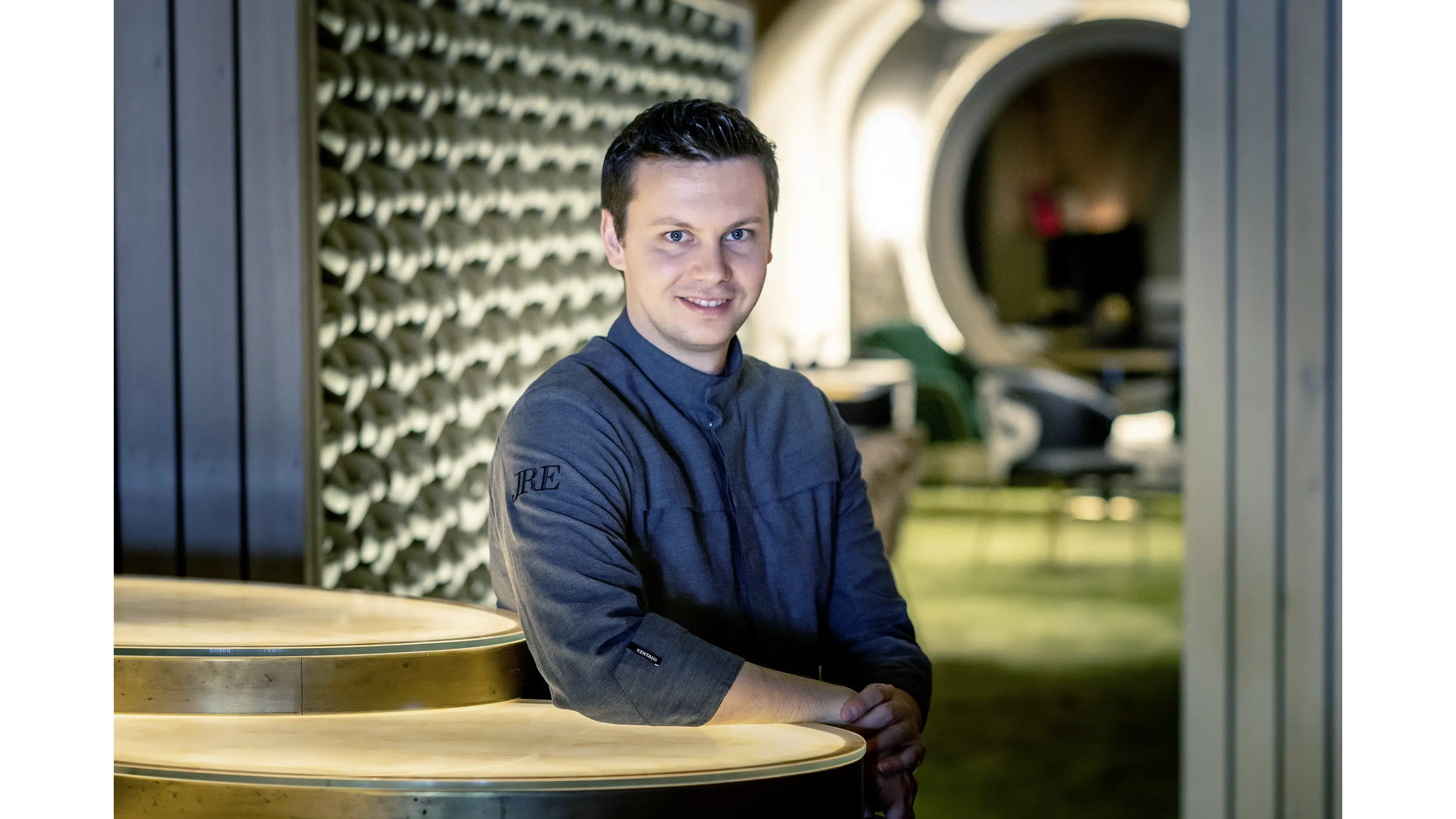
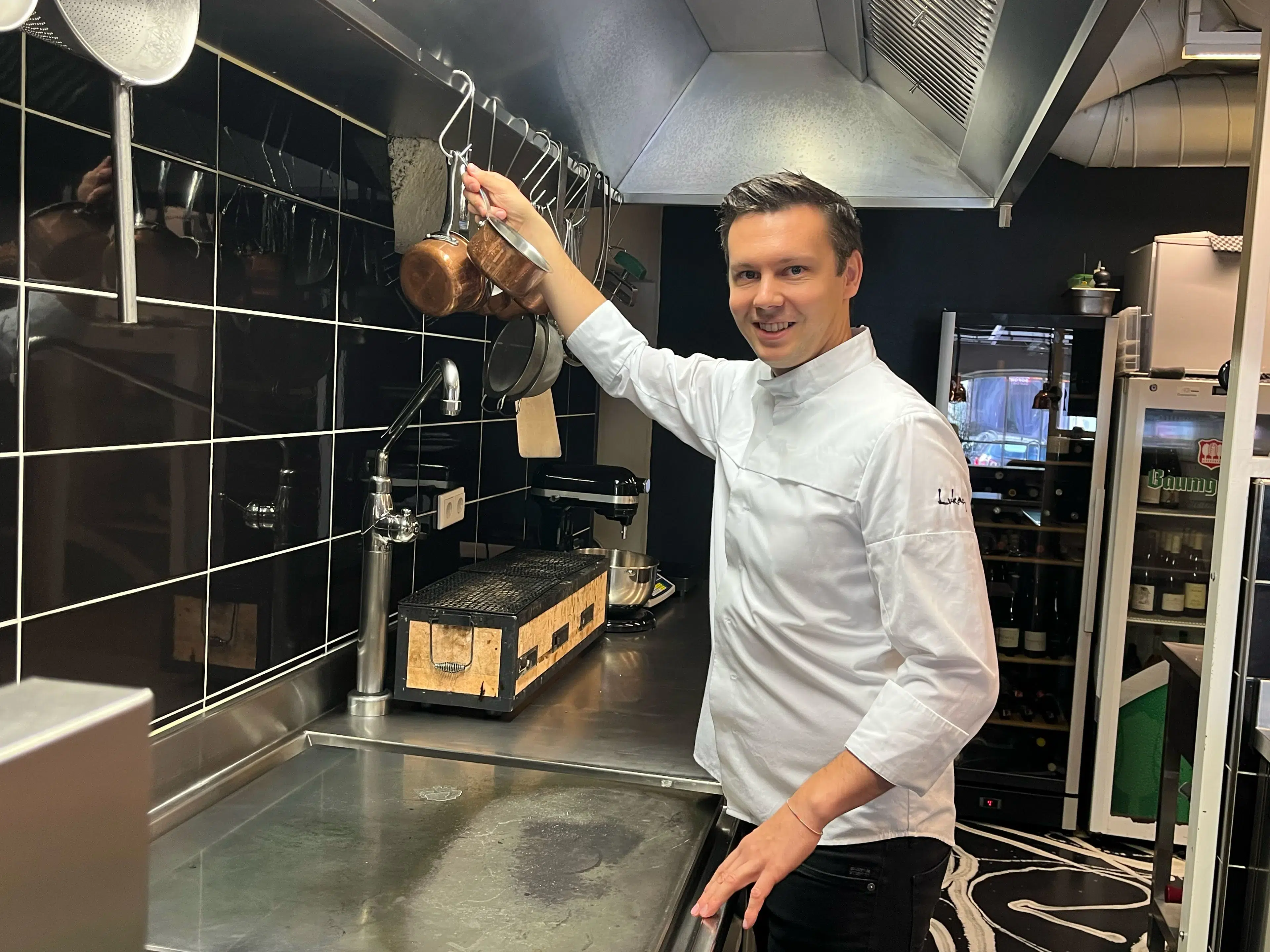
A portrait of Lukas Kienbauer, a chef who creates entire worlds through flavour, fire and fierce determination.
It is still dark outside when Lukas Kienbauer unlocks the door to his restaurant. The air smells faintly of yesterday’s bread and lemon cleaner. No guests. No team. Just silence and soft morning light hitting the open kitchen. He wipes down the steel surfaces himself. Not because he has to. But because he cares.
For Kienbauer, excellence lives in the details no one else notices. That final five percent others might skip is where he finds meaning. And maybe even a little magic.
Over the past decade, he has quietly rewritten the rules for what fine dining can be in a baroque Austrian town better known for its beer than for seven-course surprise menus. Not to impress the world, but to prove that excellence can grow anywhere. As long as it stays honest.
A spark lit early
Lukas Kienbauer grew up in an inn, where his father ran the kitchen and hospitality was part of everyday life. It was not glamorous, but it was real. Pots boiling. Doors swinging. People arriving. Food being made because someone needed it.
He never set out to become a chef. But the rhythm of the kitchen stayed with him. He learned by watching. By standing next to his father. By noticing the way things were done and trying to do them just a little better.
“At one point I was showing the trainees how to make schnitzel,” he says with a smile.
Even as a teenager, he was not the loud one. He paid attention. He took pride in getting things right. He liked the feeling of doing something properly, from start to finish.
Later, during his apprenticeship years, that quiet focus followed him. He was not chasing praise or position. He simply wanted to improve. Every day. Every task. Every plate.