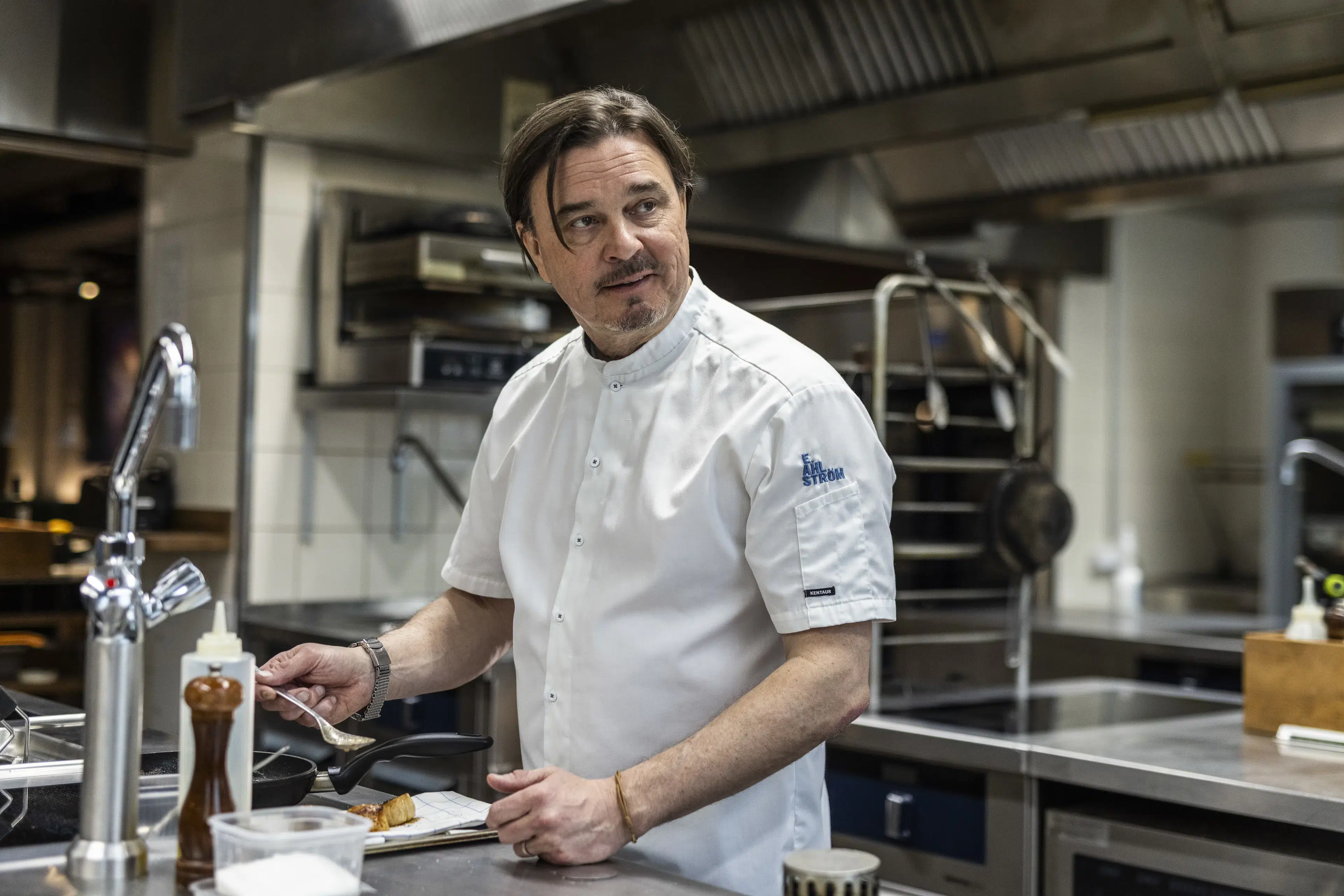
Kentaur_Helsinki_RAISFOTO_C1__4211.jpg

Pekka Terävä.

From football fields to Michelin stars

Long before Pekka Terävä became one of Finland's most influential chefs, his world revolved around football.

As a child, he was always on the move. Most mornings began on the football pitch, and whenever he wasn't playing, he was outside doing something else. Sitting still was never really an option.

I was always outside,” he says. “When I woke up, I went to the football field.”

The game became more than a hobby. Terävä played professionally from 1986 to 1992, carrying with him a competitive mindset that would later define his entire career. He was driven by the desire to improve, to push limits, and to see how far he could go.

What he did not know at the time was that football would not become his life's work. Cooking would, and it happened almost by accident.

An accidental chef

For Terävä, becoming a chef was never part of the plan.

By the late 1980s, he was playing professional football. Cooking was not something he dreamed about as a child, nor was it a career he actively pursued. 

Then, by chance, his path changed.

During his years as a football player, he came across a culinary school and became fascinated by what was happening inside. Curious to learn more, he started reading, asking questions and exploring a world he had never considered before.

“I remember thinking: wow, there is something really interesting in that.”

What began as curiosity quickly turned into something more. The more he learned, the more he wanted to know. Soon, the kitchen offered the same thing he had always loved about football: the opportunity to improve.

Competition had always been part of his nature.
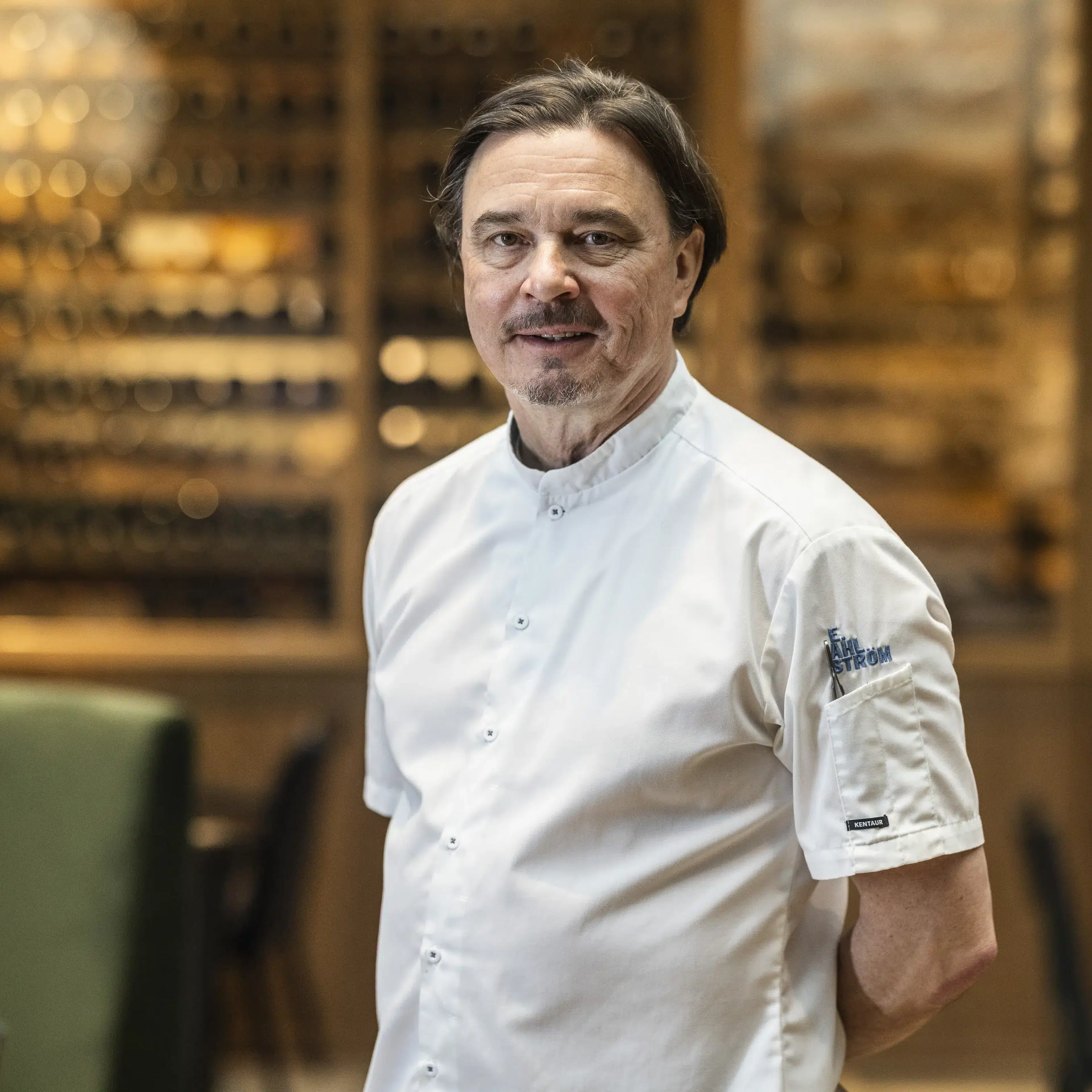
Kentaur_Helsinki_RAISFOTO_C1__4083.jpg

Pekka Terävä

Usually when I start doing something, there is competition behind it.

That mindset would become one of the defining forces throughout his career. Terävä constantly set the bar a little higher for himself, always looking for the next challenge and the next level.

Looking back, Terävä sees a clear connection between football and cooking. The drive to improve, the discipline and the determination to keep going when things get difficult became just as valuable in the kitchen as they had been on the pitch.

Building something different

By the early 2000s, Terävä had already established himself in the Finnish restaurant scene. But he was convinced that something was missing.

At the time, many ambitious restaurants looked south for inspiration. French techniques, Italian ingredients and international influences dominated fine dining menus across the Nordic countries. Terävä questioned why Nordic chefs seemed reluctant to trust the ingredients growing in their own backyard.

When Restaurant Olo opened in Helsinki in 2006, the ambition was clear: to create a restaurant rooted in Nordic ingredients, Nordic flavours and a distinctly Nordic identity.

It was not an obvious success.

We really struggled those first two years,” he recalls.

Many guests simply did not understand the concept, and convincing them that local ingredients could deliver the same level of quality was not always easy.

But Terävä never lost faith in the vision. Slowly, attitudes began to change. In 2009, Olo was named the best restaurant in Finland. Two years later, it received its first Michelin star.

For Terävä, however, the recognition was never the end goal. Instead, it was confirmation that Nordic gastronomy deserved a place among the world's leading culinary traditions.

  • Kentaur_Helsinki_RAISFOTO_C1__3927.jpg
  • Kentaur_Helsinki_RAISFOTO_C1__4036.jpg

The cost of success

Building restaurants, developing concepts and striving for excellence requires commitment. Over the years, Terävä devoted much of his time and energy to his work, constantly pushing himself to achieve more.

Looking back, there is one thing he would do differently.

Work is not everything,” he says.

While ambition helped him build a successful business, it also came with sacrifices. When reflecting on his younger years, his advice is simple: find balance sooner.

I would probably tell myself not to try to do everything in one day.”

The perspective has become even clearer through his children. While he recognises some of his own drive in them, he also hopes they will find a healthier balance between work and life than he did.

The lucky thing when you're older is that you understand the bigger picture.”

Creating leaders, not followers

Over the years, Terävä has built restaurants, concepts and teams. But when asked what makes him most proud, he does not immediately talk about awards or recognition. Instead, he talks about people.

Many of the chefs who have worked alongside him have gone on to open and run successful restaurants of their own.

“Almost 80 percent of the people who worked with me now own their own restaurant,” he says.

For Terävä, creating a strong team has always been about more than technical skills. Talent matters, but attitude matters more.

“The most important thing is that they can work as a team.”

It is a philosophy that has shaped the culture across his restaurants. While standards remain high, collaboration, trust and respect are just as important as performance.

Looking back, Terävä sees leadership as one of the most rewarding parts of his career. Not because it is easy, but because it allows him to help others grow.

After decades in the industry, success is no longer measured only by what he has built himself, but also by the people he has helped along the way.

Kentaur_Helsinki_RAISFOTO_C1__3886.jpg

Looking beyond the kitchen

Today, Terävä's ambitions reach beyond restaurant walls.

While gastronomy remains his passion, he is increasingly focused on the responsibility that comes with experience. Sustainability, protecting the Baltic Sea and creating opportunities for future generations have become causes close to his heart.

The same philosophy that shaped Olo continues to guide him today: trust in quality, embrace simplicity and think long-term.

That mindset is reflected in every part of the restaurant experience, including the people who bring it to life. In an industry defined by long hours, high temperatures and constant movement, functionality and comfort are essential.

“Good workwear needs to be comfortable and practical. When you spend your entire day in it, it must support the way you work,” he says.

For Terävä, details matter. Not because they attract attention, but because they help create an environment where people can perform at their best.

More than three decades have passed since a young football player stumbled across a culinary school and became curious about what was happening behind its doors.

Since then, he has opened restaurants, challenged conventions and helped shape a new generation of chefs.

Yet the curiosity that first drew him towards the kitchen remains unchanged. Today, it is no longer about what he can achieve next. It is about what he can leave behind.